Our Debt Free Family

Commit. Plan. Take action.

  • BUDGETING
  • DEBT REDUCTION
  • INVESTING
  • LIFESTYLE
  • TOOLS
  • ABOUT
  • Privacy Policy
  • CONTACT

Cash Advance for Gig Workers Apps: The Saving Grave for Rideshare

December 13, 2025 | Leave a Comment

What is a Gig Worker Cash Advance App?

<p>A gig worker cash advance app is a digital platform that provides freelance or gig workers with the ability to access their earned income before their scheduled payday. These apps are designed to help workers bridge the gap between paychecks and cover immediate expenses such as bills, groceries, or transportation costs.</p>::Pexels

A gig worker cash advance app is a digital platform that provides freelance or gig workers with the ability to access their earned income before their scheduled payday. These apps are designed to help workers bridge the gap between paychecks and cover immediate expenses such as bills, groceries, or transportation costs.


How Does  a Cash Advance for Gig Workers Work?

Users can generally request money in advance using the app. The money will be sent directly to their bank account or prepaid card. Lenders typically base the amount they can advance on the user’s earnings history and may charge a fee or interest.

This type of app offers gig workers flexibility and financial security, allowing them to better manage their cash flow and avoid falling into debt. It can also help to reduce financial stress and provide peace of mind knowing that they have access to their earnings when needed.


Why use a Cash Advance for Gig Workers?

There are several reasons why gig workers may choose to use a cash advance. One of the main reasons is the unpredictable nature of gig work. Gig workers often have fluctuating income and may experience periods of financial instability. In these situations, gig worker loans can provide immediate access to funds to cover expenses such as rent, bills, or unexpected emergencies.

Additionally, gig workers may not have access to traditional forms of credit, such as credit cards or loans, due to their non-traditional employment status. Instant cash advance for gig workers can be a convenient and accessible way for gig workers to access funds quickly without having to go through a lengthy application process or credit check.

Furthermore, cash advances can help gig workers manage their cash flow and avoid falling into debt. By receiving a cash advance, gig workers can cover their expenses without having to rely on high-interest credit cards or payday loans. This can help them avoid accumulating debt and maintain financial stability.


Are Cash Advance Apps for Gig Workers Safe?

One of the main concerns with a cash advance for independent contractors is the potential for high fees and interest rates. Some apps charge exorbitant fees for borrowing money, which can quickly add up and make it difficult for users to repay the loan. Additionally, the terms and conditions of these apps can be complex and difficult to understand, leading to confusion and potential financial hardship for users.

Another concern with an instant line of credit for gig workers is the security of personal and financial information when using cash advance apps. Users are often required to provide sensitive information, such as bank account details and social security numbers, in order to access funds. This information could potentially be at risk of being compromised in a data breach or cyber attack, putting users at risk of identity theft and fraud.

In the name of transparency, some lenders such as Klover, make it publicly known that they generate revenue by sharing applicants’ information with their partners.


Cash Advance for Gig Workers With No Credit Check

One of the key benefits of a cash advance for gig workers is that it typically does not require a credit check. This means that individuals with less-than-perfect credit scores can still qualify for this type of financial assistance. Instead of relying on credit history, cash advance providers may look at factors such as income and payment history to determine eligibility.

To account for the additional risks associated with payday or rideshare loans loans for gig workers, lender may charge a monthly fee for the continuous use of their services.


Cash App Borrow

Cash App Borrow is a short-term loan pilot program offered through Cash App, allowing eligible users to borrow up to $200 for emergencies. Here are the key details:

  1. Eligibility:
    • Not all Cash App users have access to the Borrow feature. If you see the Borrow option in your account, it means you’re eligible.
    • Factors affecting eligibility include:
      • State of residence: Cash App Borrow isn’t available to all U.S. residents.
      • Credit history: Your current credit score may impact eligibility.
      • Cash App usage: Loans may be rolled out to active users.
      • Direct deposits: Customers who receive direct deposits may receive preferential treatment.


Challenges Faced by Rideshare Drivers

Rideshare drivers face several challenges when it comes to obtaining loans. One major issue is the fluctuating income that comes with the gig economy. Lenders may be hesitant to approve a rideshare loan for someone whose income can vary greatly from month to month. This can make it difficult for rideshare drivers to qualify for traditional loans with fixed monthly payments.

Additionally, rideshare drivers often have unconventional employment arrangements, which can make it harder for them to provide the necessary documentation for a loan application. Many lenders require proof of stable employment and income, which can be challenging for rideshare drivers who may not have traditional pay stubs or tax forms.

Another challenge for rideshare drivers is the high mileage and wear and tear on their vehicles. This can make it more difficult to qualify for a loan, as lenders may be concerned about the condition of the vehicle and its potential resale value. Additionally, the cost of maintaining a vehicle for rideshare driving can be high, which can impact a driver’s ability to make loan payments.


Cash Advance Apps Vs Payday Loans

 

pexels andrea piacquadio 3760067

Payday loans and cash advance apps are both options for gig workers who need quick access to funds. Payday loans are typically short-term loans that are repaid on the borrower’s next payday, often with high interest rates. These loans can be obtained from traditional brick-and-mortar lenders or online lenders.

On the other hand, cash advance apps are mobile applications that allow users to access a portion of their earned wages before their next payday. These apps are popular among gig workers who may not have a steady income and need access to funds quickly. Cash advance apps typically charge a small fee for the service, but the fees are often lower than those associated with payday loans.

When comparing payday loans and cash advance apps, gig workers should consider the interest rates, fees, and repayment terms associated with each option. Payday loans may be a quick solution for those in need of immediate funds, but they can also trap borrowers in a cycle of debt.

Cash advance apps, on the other hand, offer a more flexible and convenient way to access funds without the high costs associated with traditional payday loans. Ultimately, gig workers should carefully weigh their options and choose the option that best fits their financial needs.


Conclusion

The emergence of gig worker cash advance apps offers a promising solution to financial challenges faced by individuals in the gig economy. With their convenient access to funds, flexible repayment options, and minimal eligibility requirements, these apps provide much-needed support to gig workers seeking financial stability. As the gig economy continues to expand, the role of cash advance apps in supporting the financial health of gig workers is likely to become increasingly significant.


 

READ MORE:

  • Self Lender Reviews: Building Credit With a Loan from Self Inc
  • Cash App Glitch 2023: Is the Free Money Glitch Real?
  • Try This $10000 Biweekly 26 Week Money Challenge to Crush Your Debt
  • Why You Need A Personal Mid-Year Budget Review and 5 Things to Do Now
  • How Often Should You Review Your Budget?

Filed Under: Budgeting

Cash App Glitch 2025: Is the Free Money Glitch Real?

December 10, 2025 | Leave a Comment

Uncover the Truth: Is the Cash App Glitch Legit?

<p>There has been many glitches in Cash App’s system that has been exposed, raising concerns about the safety of users’ personal information, money, and transactions. So much so that Cash App has a Bug Bounty Program which provide cash awards for brining certain vulnerabilities to their attention. From understanding how glitches occur to learning about the potential risks and the steps you can take to protect yourself, we’ve got you covered. Whether you’re a frequent user or just considering signing up for Cash App, this information is crucial for anyone who values their financial security and want to know if free money Cash App glitches seen on Reddit and other platforms are real or fake.</p>::Pexels

There has been many glitches in Cash App’s system that has been exposed, raising concerns about the safety of users’ personal information, money, and transactions. So much so that Cash App has a Bug Bounty Program which provide cash awards for brining certain vulnerabilities to their attention. From understanding how glitches occur to learning about the potential risks and the steps you can take to protect yourself, we’ve got you covered.

Whether you’re a frequent user or just considering signing up for Cash App, this information is crucial for anyone who values their financial security and want to know if free money Cash App glitches seen on Reddit and other platforms are real or fake.


What is a Glitch?

A glitch can be defined as a temporary malfunction or some form of irregular behavior which leads to a device or program not operating as intended. They are usually self-correcting and can often be rectified using a simple system reset. Some glitches are more serious and may be as a result of a bigger issue which will cause the glitch to repeat itself until the issue casing the glitch is fixed.

Common types of Cash App Glitches and Their Consequences

Cash App has faced various glitches in the past, each with its own set of consequences for users.

In June 2023, there was widespread reports of a duplicate charge glitch which caused users to be charged twice for the same transaction. Cash App responded publicly and stated that impacted users will be notified and refunded

One common type of glitch that users have reported is the failure of transactions to go through properly. In some cases, users have experienced delayed or failed payments, causing frustration and inconvenience.

Another glitch involves incorrect balance displays, where users notice discrepancies between their actual balance and what is shown in the app. This can lead to more confusion and uncertainty about the accuracy of their account information.

Account hacking has been a concern for some Cash App users. Although not always caused by a glitch, hackers have taken advantage of vulnerabilities to gain unauthorized access to users’ accounts. It is essential for Cash App users to be aware of these potential glitches and their consequences in order to take appropriate precautions.

Money Glitch Meaning

A money glitch typically refers to an unintended flaw or loophole within a financial system, often within a digital platform or online service, that allows users to exploit it for financial gain.

Cashapp Bitcoin Glitch

Glitches can occur in cryptocurrency due to the inherent complexity of the software and hardware. Human mistakes, system updates, external factors, and errors during file transfer can all contribute. Even with rigorous testing, unforeseen interactions and vulnerabilities can arise.

Each Cash App bitcoin transaction is recorded on a public ledger, the blockchain. While general wallet addresses don’t directly reveal user identities, analysis and batch reports can easily trace transactions back to individuals. The point is that you’re conducting bitcoin transactions through Cash App, and with your personal information directly linked to your bitcoin address. You will more than likely find yourself in debt once Cash App identifies an unauthorized or erroneous deposit on your account.

There have been numerous reports such as this recent September 2023 case where a user spent funds that showed up in their account after a Cash App Glitch and to their surprise later had the funds removed by Square and left the account in a negative balance status.

Are Cash App Glitches for free money real?

Short answer, yes! Of course they are real, but don’t get too excited. It is quite possible that you may one day open your Cash App account to find that you have a greater than expected balance due to a glitch in the software. Computer programs glitch and can lead to unpredictable behavior. That behavior may be favorable in some cases. However, Cash App is a relatively app to use.  Here are 6 steps to keep your Cash App account secure.

If a Cash App glitch left you richer, the last thing you should do is think that money belongs to you, or try to spend it. Do not make an attempt to repeat the steps to creating a untraceable free money Cash App glitch. Sadly, there is no such thing. There have been many cases where glitches in banking systems led to increased balances in some accounts. They usually end with the bank recovering those funds.

Do not waste your time with TikTok videos or websites promising Cash App free money glitch tutorials. They may claim to have a legit Cash App glitch to make money out of thin air but these outlets are often seeking to collect your personal information and in some cases look for vulnerabilities which may lead to them hacking your very own Cash App account. The claims are simply too good to be true.

If you knew of a Cash App vulnerability or glitch that would allow you to make money, would it be smart to publicly advertise this process? If the claims were true, Block Inc, formerly known as Square Inc, and Cash App would quickly shut it down and may even seek legal action.

Consider other means of income if you’re looking to make extra money. There are a large number of side hustle opportunities out there. For examples, you can get paid to write articles and blog posts or even testing apps and writing reviews. This this biweekly money challenge to boost your savings.

How to identify if you have been affected by a Cash App Glitch

Trying to figure out if  you have been affected by a Cash App glitch can be challenging, as not all glitches are noticeable. However, there are some signs which may indicate that there is a problem with your account.

If you notice discrepancies in your account balance, it is important to investigate further. Keep an  eye on your transactions and verify accuracy. If you come across any suspicious transactions, it could be a sign of a glitch or security breach.

Another red flag to watch out for is an inability to complete transactions or delayed payments. If you encounter any issues while sending or receiving money through Cash App, it is worth considering the possibility of a glitch in the system.

If you receive any unusual notifications or emails from Cash App, especially those requesting sensitive information or account verification, proceed with caution. Legitimate communication from Cash App will never ask for your personal information or login credentials.

If you experience any of these signs or suspect that you have been affected by a Cash App glitch, it is crucial to take immediate action to protect your money and personal information.

How to Make Money on Cash App in 2025

The only legit way to make money on Cash App in 2025 is by inviting others using your Cash App referral code.

You and your friends can both get bonuses when they use your Cash App referral code to sign up to Cash App.

Your friend must sign up and link a debit card or order a physical Cash Card.

Next, send $5 within 14 days of using the referral code.

The Bottom Line

By understanding the nature of Cash App glitches, identifying signs of a problem, and implementing security measures, you can significantly reduce the chances of falling victim to a glitch or unauthorized access.

If it sounds too good to be true and its public information, then it is in fact too good to be true.

Remember to report any glitches or suspicious activity to Cash App’s customer support and consider diversifying your payment methods across secure platforms. Stay informed about Cash App’s efforts to improve security and be proactive in maintaining your financial safety.

Filed Under: Budgeting Tagged With: 750 cashapp, cashapp free money, cashapp glitch, cashapp money glitch, cashapp scam

9 Fun and Creative Ways to Save Money Without Sacrificing Enjoyment

December 2, 2025 | Leave a Comment

9 Fun and Creative Ways to Save Money Without Sacrificing Enjoyment

<p> In today’s fast-paced world, the idea of saving money often feels synonymous with giving up fun and enjoyment. We’ve all been there: wanting to cut back on expenses while still enjoying life to the fullest. But here’s the good news: saving money doesn’t have to mean sacrificing the experiences that bring you joy. With a little creativity and planning, you can cut costs and still enjoy a vibrant, fulfilling life. Here are nine practical and engaging ways to save money without sacrificing fun. </p> :: Pexels

In today’s fast-paced world, the idea of saving money often feels synonymous with giving up fun and enjoyment. We’ve all been there: wanting to cut back on expenses while still enjoying life to the fullest. But here’s the good news: saving money doesn’t have to mean sacrificing the experiences that bring you joy. With a little creativity and planning, you can cut costs and still enjoy a vibrant, fulfilling life. Here are nine practical and engaging ways to save money without sacrificing fun.

1. Explore Free Local Events

<p> Every city has a rich tapestry of events just waiting to be discovered—many of which are completely free! From art fairs and concerts in the park to outdoor movie nights and community festivals, these events are perfect for enjoying time with friends or family without spending a dime. Pro Tip: Keep an eye on community boards, local Facebook groups, and city websites to stay updated on upcoming activities. Local libraries often host events like author readings, craft sessions, or movie nights, and community centers may offer free classes or workshops. Not only will you save money, but you’ll also get the chance to connect with your community and make new friends along the way. </p> :: Pexels

Every city has a rich tapestry of events just waiting to be discovered—many of which are completely free! From art fairs and concerts in the park to outdoor movie nights and community festivals, these events are perfect for enjoying time with friends or family without spending a dime.

Pro Tip: Keep an eye on community boards, local Facebook groups, and city websites to stay updated on upcoming activities. Local libraries often host events like author readings, craft sessions, or movie nights, and community centers may offer free classes or workshops. Not only will you save money, but you’ll also get the chance to connect with your community and make new friends along the way.

2. Organize Potluck Gatherings

<p> Dining out can quickly add up, especially when socializing with friends. Instead of hitting the restaurant scene, why not host a potluck dinner? Invite your friends and ask everyone to bring a dish to share. Potlucks are not only budget-friendly, but they also allow you to showcase your culinary skills—or try something new! Whether it’s a themed night like taco Tuesday or an all-dessert gathering, the possibilities are endless. This way, you can enjoy a delicious meal and great company without the hefty price tag of a restaurant outing. Not to mention, everyone gets to enjoy a variety of flavors and dishes, making for a delightful dining experience. </p> :: Pexels

Dining out can quickly add up, especially when socializing with friends. Instead of hitting the restaurant scene, why not host a potluck dinner? Invite your friends and ask everyone to bring a dish to share.

Potlucks are not only budget-friendly, but they also allow you to showcase your culinary skills—or try something new! Whether it’s a themed night like taco Tuesday or an all-dessert gathering, the possibilities are endless. This way, you can enjoy a delicious meal and great company without the hefty price tag of a restaurant outing. Not to mention, everyone gets to enjoy a variety of flavors and dishes, making for a delightful dining experience.

3. Utilize Subscription Services Wisely

<p> While subscription services can be a fantastic way to enjoy movies, music, and books, they can also lead to unnecessary spending if you’re not careful. Evaluate your subscriptions and ask yourself which ones truly add value to your life. Are you really watching that streaming service, or is it just sitting idle? Cancel any subscriptions that don’t provide enough enjoyment, and consider rotating services to keep things fresh. For example, you might binge-watch a series on one platform for a month, then switch to another for a different selection of shows. Many platforms offer free trials, so you can test out a new service without any financial commitment. This way, you can enjoy entertainment without feeling like you’re wasting money. </p> :: Pexels

While subscription services can be a fantastic way to enjoy movies, music, and books, they can also lead to unnecessary spending if you’re not careful. Evaluate your subscriptions and ask yourself which ones truly add value to your life.

Are you really watching that streaming service, or is it just sitting idle? Cancel any subscriptions that don’t provide enough enjoyment, and consider rotating services to keep things fresh. For example, you might binge-watch a series on one platform for a month, then switch to another for a different selection of shows. Many platforms offer free trials, so you can test out a new service without any financial commitment. This way, you can enjoy entertainment without feeling like you’re wasting money.

4. Take Advantage of Nature

<p> Sometimes, the best entertainment comes from the great outdoors. Nature offers many free activities that promote relaxation and adventure. Go hiking, biking, or take a stroll in your local park. Pack a picnic, bring some games, and invite friends for a social outing. You’ll save money and enjoy the mental health benefits of being in nature. Discovering scenic trails or hidden parks can transform an ordinary day into an unforgettable adventure. Plus, there’s no cover charge for a beautiful sunset! Make a list of nearby nature spots to explore—whether it’s a local hiking trail, a beach, or a botanical garden, experiencing nature firsthand is invigorating. It’s a fantastic way to unwind and recharge, with plenty of opportunities for fun along the way—like bird watching, fishing, or just enjoying the fresh air. </p> :: Pexels

Sometimes, the best entertainment comes from the great outdoors. Nature offers many free activities that promote relaxation and adventure. Go hiking, biking, or take a stroll in your local park. Pack a picnic, bring some games, and invite friends for a social outing. You’ll save money and enjoy the mental health benefits of being in nature. Discovering scenic trails or hidden parks can transform an ordinary day into an unforgettable adventure. Plus, there’s no cover charge for a beautiful sunset!

Make a list of nearby nature spots to explore—whether it’s a local hiking trail, a beach, or a botanical garden, experiencing nature firsthand is invigorating. It’s a fantastic way to unwind and recharge, with plenty of opportunities for fun along the way—like bird watching, fishing, or just enjoying the fresh air.

5. Get Creative with Hobbies

<p> Engaging in hobbies is a fulfilling way to spend your time without breaking the bank. Instead of costly classes or materials, tap into your creativity with DIY projects. Whether it’s painting, knitting, or photography, countless online resources can help you get started. Use materials you already have or shop second-hand to save money. You might discover a new passion that brings hours of enjoyment, and the satisfaction of creating something with your own hands is priceless! Try out different hobbies to find what resonates with you. You might enjoy gardening, which can provide fresh produce for your meals, or learning an instrument. Hobbies not only offer a productive outlet but also help you relax and de-stress. </p> :: Pexels

Engaging in hobbies is a fulfilling way to spend your time without breaking the bank. Instead of costly classes or materials, tap into your creativity with DIY projects. Whether it’s painting, knitting, or photography, countless online resources can help you get started. Use materials you already have or shop second-hand to save money. You might discover a new passion that brings hours of enjoyment, and the satisfaction of creating something with your own hands is priceless!

Try out different hobbies to find what resonates with you. You might enjoy gardening, which can provide fresh produce for your meals, or learning an instrument. Hobbies not only offer a productive outlet but also help you relax and de-stress.

6. Plan Staycations

<p> If you’re itching for a getaway but don’t want to break the bank, a staycation could be the perfect solution. Treat your home like a vacation spot by exploring local attractions you might have missed. Visit nearby museums, parks, or historical sites, and try activities you’ve never done before. This is a great chance to discover hidden gems in your own backyard. Consider booking a night at a local hotel or Airbnb for a change of scenery—sometimes, a new perspective is all you need to recharge. You can also create a vacation vibe at home by cooking new recipes or having a spa day. Additionally, plan themed staycation days, like a “beach day” in your backyard with sand, snacks, and games, or a “cultural day” exploring the cuisine and music of another country. This adds a fun twist to your time off without the extra cost of travel. </p> :: Pexels

If you’re itching for a getaway but don’t want to break the bank, a staycation could be the perfect solution. Treat your home like a vacation spot by exploring local attractions you might have missed. Visit nearby museums, parks, or historical sites, and try activities you’ve never done before. This is a great chance to discover hidden gems in your own backyard. Consider booking a night at a local hotel or Airbnb for a change of scenery—sometimes, a new perspective is all you need to recharge. You can also create a vacation vibe at home by cooking new recipes or having a spa day.

Additionally, plan themed staycation days, like a “beach day” in your backyard with sand, snacks, and games, or a “cultural day” exploring the cuisine and music of another country. This adds a fun twist to your time off without the extra cost of travel.

7. Host Game or Movie Nights

<p> Instead of splurging on expensive outings, consider hosting game or movie nights at home. Invite friends over for an evening of laughter, snacks, and friendly competition. Choose a theme, like classic game night or a movie marathon with your favorite films. You can even set up a potluck snack table where everyone brings their favorite treats. This approach is budget-friendly and creates a cozy atmosphere that fosters connection and fun without the high cost of dining out. Take it a step further by organizing a tournament for games like poker or board games, offering a small prize for the winner to make the evening more exciting. For movie nights, consider themes like “80s classics” or “superhero flicks” to keep things fresh, and encourage friends to dress up according to the theme for added fun! </p> :: Pexels

Instead of splurging on expensive outings, consider hosting game or movie nights at home. Invite friends over for an evening of laughter, snacks, and friendly competition. Choose a theme, like classic game night or a movie marathon with your favorite films. You can even set up a potluck snack table where everyone brings their favorite treats. This approach is budget-friendly and creates a cozy atmosphere that fosters connection and fun without the high cost of dining out.

Take it a step further by organizing a tournament for games like poker or board games, offering a small prize for the winner to make the evening more exciting. For movie nights, consider themes like “80s classics” or “superhero flicks” to keep things fresh, and encourage friends to dress up according to the theme for added fun!

8. Embrace DIY Projects

<p> Do-it-yourself (DIY) projects are both rewarding and cost-effective. From crafting home décor to creating personalized gifts or beauty products, the possibilities are endless. Numerous online tutorials can guide you, often using materials you already have at home. Embracing DIY not only saves money but also offers a creative outlet. Plus, handmade gifts for friends or family add a personal touch that store-bought items can't match. Consider hosting DIY nights with friends, where everyone brings materials and project ideas. This way, you can learn from each other and share tips. Whether it’s upcycling furniture, making candles, or crafting holiday decorations, the collaborative effort leads to unforgettable experiences filled with laughter and creativity. </p> :: Pexels

Do-it-yourself (DIY) projects are both rewarding and cost-effective. From crafting home décor to creating personalized gifts or beauty products, the possibilities are endless. Numerous online tutorials can guide you, often using materials you already have at home. Embracing DIY not only saves money but also offers a creative outlet. Plus, handmade gifts for friends or family add a personal touch that store-bought items can’t match.

Consider hosting DIY nights with friends, where everyone brings materials and project ideas. This way, you can learn from each other and share tips. Whether it’s upcycling furniture, making candles, or crafting holiday decorations, the collaborative effort leads to unforgettable experiences filled with laughter and creativity.

9. Join a Local Club or Group

<p> Joining a local club or group that aligns with your interests is a great way to enjoy activities without overspending. Whether it’s a book club, hiking group, or sports team, you can connect with like-minded individuals and have fun. This fosters a sense of community and can lead to new friendships and adventures. Many clubs offer affordable membership fees, letting you participate in various events throughout the year. If you can't find an existing group, consider starting one! This allows you to set your own schedule and choose activities you enjoy. You can even organize a potluck where everyone brings snacks or drinks to share—another way to save money while socializing. </p> :: Pexels

Joining a local club or group that aligns with your interests is a great way to enjoy activities without overspending. Whether it’s a book club, hiking group, or sports team, you can connect with like-minded individuals and have fun. This fosters a sense of community and can lead to new friendships and adventures. Many clubs offer affordable membership fees, letting you participate in various events throughout the year.

If you can’t find an existing group, consider starting one! This allows you to set your own schedule and choose activities you enjoy. You can even organize a potluck where everyone brings snacks or drinks to share—another way to save money while socializing.

Final Thoughts

<p> Saving money doesn’t mean you have to sacrifice fun or enjoyment. By exploring free local events, organizing potlucks, and creatively engaging in hobbies, you can enjoy a fulfilling lifestyle without financial strain. The key is to shift your perspective and embrace the countless ways to have fun without breaking the bank. Start implementing these nine tips today, and you’ll find that the best experiences in life are often those that don’t come with a hefty price tag. Remember, fun doesn’t have to be expensive; it simply requires a little creativity, resourcefulness, and the willingness to think outside the box. So go ahead—get out there and enjoy life while keeping your finances in check! With these strategies, you’ll not only save money but also enrich your life with fulfilling experiences and cherished memories. </p> :: Pexels

Saving money doesn’t mean you have to sacrifice fun or enjoyment. By exploring free local events, organizing potlucks, and creatively engaging in hobbies, you can enjoy a fulfilling lifestyle without financial strain. The key is to shift your perspective and embrace the countless ways to have fun without breaking the bank.

Start implementing these nine tips today, and you’ll find that the best experiences in life are often those that don’t come with a hefty price tag. Remember, fun doesn’t have to be expensive; it simply requires a little creativity, resourcefulness, and the willingness to think outside the box. So go ahead—get out there and enjoy life while keeping your finances in check! With these strategies, you’ll not only save money but also enrich your life with fulfilling experiences and cherished memories.

Filed Under: Budgeting

10 Surprising Reasons You Get Ghosted Even When They Actually Like You

November 21, 2025 | Leave a Comment

10 Surprising Reasons You Get Ghosted Even When They Actually Like You

<p> Ghosting has become one of the most confusing and emotionally draining parts of modern dating. One moment, you’re having great conversations, sharing laughs, planning future meetups—and the next, they mysteriously vanish. No text, no explanation, no closure. It leaves you pacing through possibilities, replaying conversations, and wondering if you did something wrong. The hardest part? Sometimes the person who ghosts you actually liked you more than you realized.

As strange as it sounds, ghosting is often less about your value and more about what’s going on behind the scenes in the other person’s life or mind. Human emotions are complicated. Fears, insecurities, stress, and internal battles can cause people to pull away—even when their feelings for you are genuine. Understanding these hidden reasons can help you protect your confidence, avoid unnecessary self-blame, and make healthier choices as you move forward.

Here are 10 surprising reasons someone may ghost you even when they truly like you. </p> :: Gemini

Ghosting has become one of the most confusing and emotionally draining parts of modern dating. One moment, you’re having great conversations, sharing laughs, planning future meetups—and the next, they mysteriously vanish. No text, no explanation, no closure. It leaves you pacing through possibilities, replaying conversations, and wondering if you did something wrong. The hardest part? Sometimes the person who ghosts you actually liked you more than you realized.

As strange as it sounds, ghosting is often less about your value and more about what’s going on behind the scenes in the other person’s life or mind. Human emotions are complicated. Fears, insecurities, stress, and internal battles can cause people to pull away—even when their feelings for you are genuine. Understanding these hidden reasons can help you protect your confidence, avoid unnecessary self-blame, and make healthier choices as you move forward.

Here are 10 surprising reasons someone may ghost you even when they truly like you.

1. They Are Scared of Getting Hurt

<p> One of the most common but least talked-about reasons people ghost is fear—especially fear of emotional vulnerability. When someone starts liking you more than they expected, it can trigger anxiety. Maybe they’ve been hurt before, betrayed, or blindsided by someone they trusted. Those old memories show up again, whispering warnings in the background.

Instead of expressing their emotions—something that feels risky—they disappear to protect themselves. Ghosting becomes a shield. Ironically, the more they like you, the stronger their urge to retreat. It’s not about your worthiness; it’s about their fear of repeating painful past experiences they haven’t healed from. </p> :: Freepik

One of the most common but least talked-about reasons people ghost is fear—especially fear of emotional vulnerability. When someone starts liking you more than they expected, it can trigger anxiety. Maybe they’ve been hurt before, betrayed, or blindsided by someone they trusted. Those old memories show up again, whispering warnings in the background.

Instead of expressing their emotions—something that feels risky—they disappear to protect themselves. Ghosting becomes a shield. Ironically, the more they like you, the stronger their urge to retreat. It’s not about your worthiness; it’s about their fear of repeating painful past experiences they haven’t healed from.

2. Life Has Become Overwhelming

<p> Sometimes ghosting has little to do with feelings and everything to do with timing. People deal with stress in different ways. For some, stress pushes them forward. For others, stress shuts them down.

Work deadlines, family obligations, mental health struggles, financial pressure, or personal crises can make communication feel exhausting—even when they genuinely care about you. Responding to messages may feel like another responsibility they don’t have the capacity to handle. Instead of being honest about what’s going on, they withdraw. Ghosting becomes an escape from the pressure they feel across all areas of their life.

The silence can hurt, but it often reflects emotional overload, not disinterest. </p> :: Pexels

Sometimes ghosting has little to do with feelings and everything to do with timing. People deal with stress in different ways. For some, stress pushes them forward. For others, stress shuts them down.

Work deadlines, family obligations, mental health struggles, financial pressure, or personal crises can make communication feel exhausting—even when they genuinely care about you. Responding to messages may feel like another responsibility they don’t have the capacity to handle. Instead of being honest about what’s going on, they withdraw. Ghosting becomes an escape from the pressure they feel across all areas of their life.

The silence can hurt, but it often reflects emotional overload, not disinterest.

3. They Struggle to Communicate Clearly

<p> Not everyone has learned how to express their emotions maturely. For some people, the idea of saying, “I need space,” or “I’m not ready for something serious,” can feel terrifying. Avoidance may be their natural reaction to discomfort.

Ghosting might be their way of avoiding what they perceive as a potentially difficult or awkward conversation. They assume disappearing is smoother, easier, or less hurtful—even though the opposite is true. Their silence rarely reflects how they feel about you. More often, it reveals their anxiety and lack of communication skills. </p> :: Pexels

Not everyone has learned how to express their emotions maturely. For some people, the idea of saying, “I need space,” or “I’m not ready for something serious,” can feel terrifying. Avoidance may be their natural reaction to discomfort.

Ghosting might be their way of avoiding what they perceive as a potentially difficult or awkward conversation. They assume disappearing is smoother, easier, or less hurtful—even though the opposite is true. Their silence rarely reflects how they feel about you. More often, it reveals their anxiety and lack of communication skills.

4. The Connection Feels Too Intense Too Fast

<p> When a connection forms quickly, it can be both exciting and intimidating. If someone wasn’t emotionally prepared to feel strongly about someone new, those emotions can overwhelm them. Intensity—whether emotional, romantic, or physical—can trigger deep fears about commitment and attachment.

Instead of leaning into the feeling, they may retreat to regain control. They might like you too much, which scares them. Ghosting becomes a way to slow things down without having to explain that the depth of the connection frightened them. </p> :: pexels

When a connection forms quickly, it can be both exciting and intimidating. If someone wasn’t emotionally prepared to feel strongly about someone new, those emotions can overwhelm them. Intensity—whether emotional, romantic, or physical—can trigger deep fears about commitment and attachment.

Instead of leaning into the feeling, they may retreat to regain control. They might like you too much, which scares them. Ghosting becomes a way to slow things down without having to explain that the depth of the connection frightened them.

5. Modern Dating Creates Choice Overload

<p> With endless dating apps, social media connections, and the constant idea that “someone better might be out there,” decision-making becomes more difficult than ever. Too many options can create anxiety, hesitation, and a tendency to avoid fully committing to one person.

Even if they genuinely like you, they might feel torn, overwhelmed, or uncertain. Ghosting becomes the path of least resistance. Instead of choosing, they disappear—often because they are overwhelmed by possibilities, not because you did anything wrong. </p> :: Pexels

With endless dating apps, social media connections, and the constant idea that “someone better might be out there,” decision-making becomes more difficult than ever. Too many options can create anxiety, hesitation, and a tendency to avoid fully committing to one person.

Even if they genuinely like you, they might feel torn, overwhelmed, or uncertain. Ghosting becomes the path of least resistance. Instead of choosing, they disappear—often because they are overwhelmed by possibilities, not because you did anything wrong.

6. They Want to Protect Your Feelings (But End Up Hurting You Instead)

<p> Some people ghost because they think they’re doing the kinder thing. They don’t want to hurt you with a conversation about their uncertainty, hesitation, or emotional unavailability. They may believe disappearing quietly is less painful than saying something you might take personally.

Their intention—strangely enough—may be to spare you from discomfort. But silence hurts far more than honesty. Their desire to avoid hurting you often backfires, creating confusion, insecurity, and frustration. </p> :: Gemini

Some people ghost because they think they’re doing the kinder thing. They don’t want to hurt you with a conversation about their uncertainty, hesitation, or emotional unavailability. They may believe disappearing quietly is less painful than saying something you might take personally.

Their intention—strangely enough—may be to spare you from discomfort. But silence hurts far more than honesty. Their desire to avoid hurting you often backfires, creating confusion, insecurity, and frustration.

7. Vulnerability Terrifies Them

<p> Opening up, being seen, and sharing emotions requires courage. Many people struggle to let their guard down, especially if they are used to being independent or emotionally guarded. When they start liking someone, it creates an internal battle: part of them wants closeness, while another part fears it.

That fear of exposing their heart—or revealing imperfections they’ve carefully hidden—can lead them to distance themselves without explanation. Ghosting allows them to avoid vulnerability while still escaping the pressure of emotional intimacy. </p> :: Pexels

Opening up, being seen, and sharing emotions requires courage. Many people struggle to let their guard down, especially if they are used to being independent or emotionally guarded. When they start liking someone, it creates an internal battle: part of them wants closeness, while another part fears it.

That fear of exposing their heart—or revealing imperfections they’ve carefully hidden—can lead them to distance themselves without explanation. Ghosting allows them to avoid vulnerability while still escaping the pressure of emotional intimacy.

8. They Fear Future Heartbreak

<p> Even before anything goes wrong, some people imagine worst-case scenarios. They think about the pain a breakup might cause later, the possibility of losing you, or the emotional risks tied to growing closer. Instead of trusting the moment, they jump ahead to imagined pain.

Ghosting becomes a form of emotional self-defense. They like you—but the deeper their feelings grow, the more they fear what could happen in the future. Rather than taking the risk, they step away early, convinced it will save them from heartbreak down the line. </p> :: Pexels

Even before anything goes wrong, some people imagine worst-case scenarios. They think about the pain a breakup might cause later, the possibility of losing you, or the emotional risks tied to growing closer. Instead of trusting the moment, they jump ahead to imagined pain.

Ghosting becomes a form of emotional self-defense. They like you—but the deeper their feelings grow, the more they fear what could happen in the future. Rather than taking the risk, they step away early, convinced it will save them from heartbreak down the line.

9. They’re Still Healing From Past Wounds

<p> Unresolved trauma, lingering heartbreak, trust issues, or emotional scars can make it hard for someone to show up consistently in a new connection. Even when they genuinely want to move forward with you, their past may still have a grip on them.

Ghosting in this case is not meant to hurt you. It’s a sign they’re struggling with internal battles. They may fear repeating patterns, opening old wounds, or confronting emotions they haven’t processed yet. Their silence is often more about their healing journey than anything to do with you personally. </p> :: Pexels

Unresolved trauma, lingering heartbreak, trust issues, or emotional scars can make it hard for someone to show up consistently in a new connection. Even when they genuinely want to move forward with you, their past may still have a grip on them.

Ghosting in this case is not meant to hurt you. It’s a sign they’re struggling with internal battles. They may fear repeating patterns, opening old wounds, or confronting emotions they haven’t processed yet. Their silence is often more about their healing journey than anything to do with you personally.

10. They Assume You’ll Understand Without an Explanation

<p> Some people mistakenly believe that a brief connection doesn’t require closure. They assume that if they pull away, you’ll just “get the hint” without needing a conversation. They might even think the connection was casual enough that disappearing is acceptable.

While this logic is flawed and unfair, it’s often rooted in indecision and insecurity—not a lack of interest. They like you, but they also assume that fading away quietly is simpler than saying what they feel. </p> :: Pexels

Some people mistakenly believe that a brief connection doesn’t require closure. They assume that if they pull away, you’ll just “get the hint” without needing a conversation. They might even think the connection was casual enough that disappearing is acceptable.

While this logic is flawed and unfair, it’s often rooted in indecision and insecurity—not a lack of interest. They like you, but they also assume that fading away quietly is simpler than saying what they feel.

Final Thoughts

<p> Being ghosted by someone who seemed interested is incredibly painful. It shakes your confidence, plants self-doubt, and leaves you with more questions than answers. But it’s important to remember this: ghosting often says far more about the person doing it than the person experiencing it.

Their fears, stress, insecurities, and emotional wounds shape their behavior far more than anything you said or did. You are not unworthy, unlovable, or forgettable. You simply crossed paths with someone who couldn’t communicate their emotions or wasn’t emotionally ready to show up for you.

If you ever find yourself in this situation, it’s okay to reach out for clarity—but it’s also okay to accept silence and let the connection go. You deserve relationships that thrive on honesty and consistent effort. You deserve someone who chooses communication over avoidance, courage over fear, and connection over confusion.

Ghosting may close one door, but it clears the way for something healthier—something grounded in mutual respect, emotional maturity, and genuine commitment. Your worth doesn’t dim because someone couldn’t see it clearly or handle their own emotions. Keep your standards high, your heart open, and your energy focused on people who show up and stay. You deserve nothing less. </p> :: Freepik

Being ghosted by someone who seemed interested is incredibly painful. It shakes your confidence, plants self-doubt, and leaves you with more questions than answers. But it’s important to remember this: ghosting often says far more about the person doing it than the person experiencing it.

Their fears, stress, insecurities, and emotional wounds shape their behavior far more than anything you said or did. You are not unworthy, unlovable, or forgettable. You simply crossed paths with someone who couldn’t communicate their emotions or wasn’t emotionally ready to show up for you.

If you ever find yourself in this situation, it’s okay to reach out for clarity—but it’s also okay to accept silence and let the connection go. You deserve relationships that thrive on honesty and consistent effort. You deserve someone who chooses communication over avoidance, courage over fear, and connection over confusion.

Ghosting may close one door, but it clears the way for something healthier—something grounded in mutual respect, emotional maturity, and genuine commitment. Your worth doesn’t dim because someone couldn’t see it clearly or handle their own emotions. Keep your standards high, your heart open, and your energy focused on people who show up and stay. You deserve nothing less.

Filed Under: Budgeting

Everyday Things Your Parents Did in the 1960s That No Longer Exist Today: 8 Fascinating Flashbacks

November 19, 2025 | Leave a Comment

Everyday Things Your Parents Did in the 1960s That No Longer Exist Today: 8 Fascinating Flashbacks

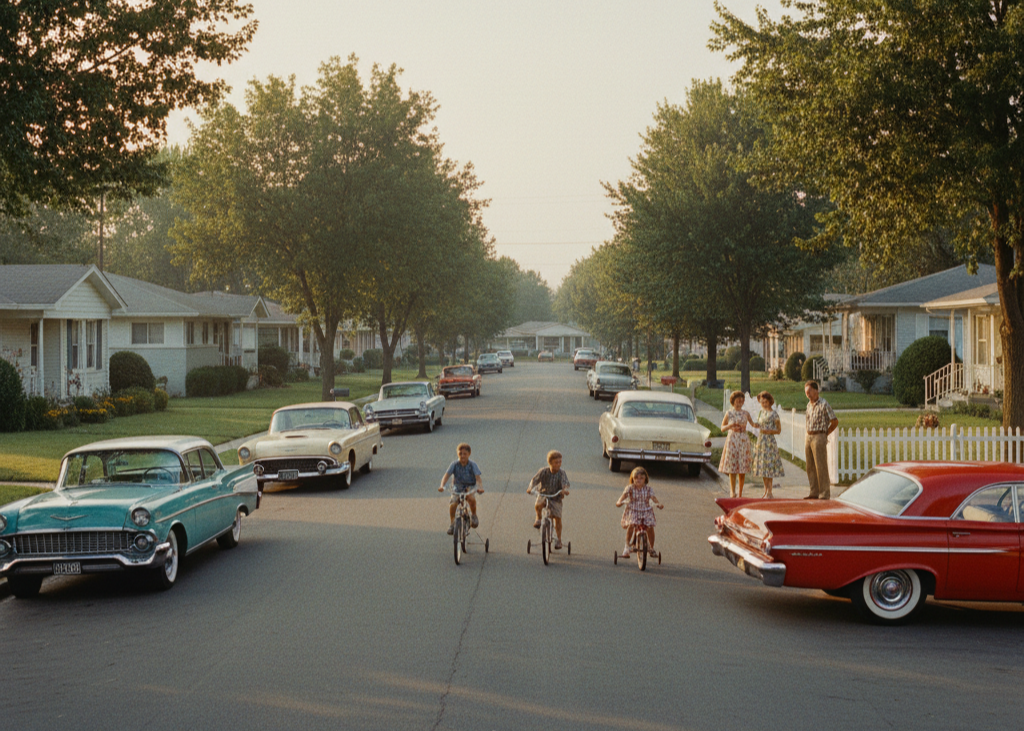
<p> If you grew up during or shortly after the 1960s, you remember a world that felt simpler, slower, and filled with routines that today’s generations might find charming, puzzling, or downright unbelievable. The sixties were a time of neighborhood togetherness, hands-on living, and traditions that shaped the daily rhythm of American families. Many baby boomers remember these moments with warmth because they were not just habits, they were pieces of a lifestyle that encouraged connection, creativity, and independence.

Today, our world is faster, more digital, and packed with conveniences that would have blown people’s minds back then. Yet there is something undeniably nostalgic about looking back at the things your parents did—things that shaped who you became. So let’s take a journey into eight everyday practices from the 1960s that have quietly disappeared, leaving behind memories and perhaps a touch of longing for the way things used to be. </p> :: Gemini

If you grew up during or shortly after the 1960s, you remember a world that felt simpler, slower, and filled with routines that today’s generations might find charming, puzzling, or downright unbelievable. The sixties were a time of neighborhood togetherness, hands-on living, and traditions that shaped the daily rhythm of American families. Many baby boomers remember these moments with warmth because they were not just habits, they were pieces of a lifestyle that encouraged connection, creativity, and independence.

Today, our world is faster, more digital, and packed with conveniences that would have blown people’s minds back then. Yet there is something undeniably nostalgic about looking back at the things your parents did—things that shaped who you became. So let’s take a journey into eight everyday practices from the 1960s that have quietly disappeared, leaving behind memories and perhaps a touch of longing for the way things used to be.

1. Getting Fresh Milk Delivered to Your Doorstep

<p> In the 1960s, waking up to the clinking sound of glass milk bottles outside the front door was a normal part of life. The milkman was a familiar face, not just a delivery worker. He knew your family, remembered your weekly order, and often had a friendly chat as he made his rounds. It added a personal touch to life that feels nearly impossible to recreate today. As supermarkets expanded and home refrigeration improved, the milkman slowly faded away, taking with him the charm of this simple routine. While grocery delivery is making a comeback in modern times, it is far more transactional and far less personal than those morning doorstep moments. </p> :: Gemini

In the 1960s, waking up to the clinking sound of glass milk bottles outside the front door was a normal part of life. The milkman was a familiar face, not just a delivery worker. He knew your family, remembered your weekly order, and often had a friendly chat as he made his rounds. It added a personal touch to life that feels nearly impossible to recreate today. As supermarkets expanded and home refrigeration improved, the milkman slowly faded away, taking with him the charm of this simple routine. While grocery delivery is making a comeback in modern times, it is far more transactional and far less personal than those morning doorstep moments.

2. Sharing a Telephone Party Line with the Neighbors

<p> Imagine needing to make a phone call but having to wait because the people next door were already using the shared phone line. That was the reality of party lines. If you grew up in the sixties, you might remember picking up the receiver only to hear a neighbor deep in conversation. It was not unusual to politely ask if they were almost done or to quietly wait your turn. Sometimes people even listened in, which added its own drama to small-town life. It sounds wild now, especially when nearly every adult and teenager carries a private smartphone, but party lines were a big part of what created those tight community ties. Everyone shared space, even on the phone. </p> :: Gemini

Imagine needing to make a phone call but having to wait because the people next door were already using the shared phone line. That was the reality of party lines. If you grew up in the sixties, you might remember picking up the receiver only to hear a neighbor deep in conversation. It was not unusual to politely ask if they were almost done or to quietly wait your turn. Sometimes people even listened in, which added its own drama to small-town life. It sounds wild now, especially when nearly every adult and teenager carries a private smartphone, but party lines were a big part of what created those tight community ties. Everyone shared space, even on the phone.

3. Gathering for Homemade Ice Cream Socials

<p> Long before store bought pints filled freezer aisles, families and neighbors sometimes came together to hand-churn their own ice cream. It was not just dessert, it was an event. Making ice cream by hand took work, and that effort turned the experience into a social celebration. Kids took turns cranking the handle while adults told stories, laughed, and enjoyed the warm evening air. These gatherings were the heart of community life before digital entertainment took over. Today, most people grab dessert from a store without a second thought, but those icy, sweet moments from the sixties were woven into family traditions and neighborhood friendships. </p> :: Gemini

Long before store bought pints filled freezer aisles, families and neighbors sometimes came together to hand-churn their own ice cream. It was not just dessert, it was an event. Making ice cream by hand took work, and that effort turned the experience into a social celebration. Kids took turns cranking the handle while adults told stories, laughed, and enjoyed the warm evening air. These gatherings were the heart of community life before digital entertainment took over. Today, most people grab dessert from a store without a second thought, but those icy, sweet moments from the sixties were woven into family traditions and neighborhood friendships.

4. Smoking Indoors Without a Second Thought

<p> If you walked into a restaurant, office, airplane, or even someone’s living room in the 1960s, you were almost guaranteed to be greeted by a cloud of cigarette smoke. People smoked everywhere, and it was considered completely normal. Ashtrays were built into cars and furniture, and no one blinked an eye when someone lit a cigarette at the dinner table. As health research grew stronger and regulations expanded, indoor smoking slowly disappeared. Today, it is not only uncommon, it is hard for younger generations to believe just how accepted smoking once was. While it is undoubtedly a good thing that indoor smoking became a relic of the past, it still stands as one of the strongest cultural shifts from the sixties to now. </p> :: Gemini

If you walked into a restaurant, office, airplane, or even someone’s living room in the 1960s, you were almost guaranteed to be greeted by a cloud of cigarette smoke. People smoked everywhere, and it was considered completely normal. Ashtrays were built into cars and furniture, and no one blinked an eye when someone lit a cigarette at the dinner table. As health research grew stronger and regulations expanded, indoor smoking slowly disappeared. Today, it is not only uncommon, it is hard for younger generations to believe just how accepted smoking once was. While it is undoubtedly a good thing that indoor smoking became a relic of the past, it still stands as one of the strongest cultural shifts from the sixties to now.

5. Driving or Riding Without Seatbelts

<p> Your parents probably remember piling into a car with no seatbelts, no car seats, and barely any concern for safety rules. Kids stood up in the back, sat on laps, or stretched across the seats during long road trips. Some even rode in the open beds of pickup trucks. It was a completely different world compared to today’s safety-first mindset. Seatbelts were either optional or simply ignored, and parents were more focused on getting everyone in the car than securing them. Modern safety standards make this seem unimaginable, but for families in the 1960s, this was simply how things were done. That shift to strict safety laws represents just how much times have changed. </p> :: Gemini

Your parents probably remember piling into a car with no seatbelts, no car seats, and barely any concern for safety rules. Kids stood up in the back, sat on laps, or stretched across the seats during long road trips. Some even rode in the open beds of pickup trucks. It was a completely different world compared to today’s safety-first mindset. Seatbelts were either optional or simply ignored, and parents were more focused on getting everyone in the car than securing them. Modern safety standards make this seem unimaginable, but for families in the 1960s, this was simply how things were done. That shift to strict safety laws represents just how much times have changed.

6. Playing on Active Construction Sites Like They Were Playgrounds

<p> Believe it or not, many children in the sixties treated construction sites as after school adventure zones. Empty lots, partially built houses, lumber piles, and scaffolding were all part of the fun. Kids used their imagination to turn these places into pirate ships, forts, and castles, usually without helmets, supervision, or worry from their parents. It may sound nerve wracking by today’s standards, but back then, children had far more freedom and far fewer restrictions. Neighborhood parents trusted the world around them in a way that feels almost foreign today. While safety concerns have evolved for the better, the carefree spirit of those childhood explorations is a memory many baby boomers treasure. </p> :: Gemini

Believe it or not, many children in the sixties treated construction sites as after school adventure zones. Empty lots, partially built houses, lumber piles, and scaffolding were all part of the fun. Kids used their imagination to turn these places into pirate ships, forts, and castles, usually without helmets, supervision, or worry from their parents. It may sound nerve wracking by today’s standards, but back then, children had far more freedom and far fewer restrictions. Neighborhood parents trusted the world around them in a way that feels almost foreign today. While safety concerns have evolved for the better, the carefree spirit of those childhood explorations is a memory many baby boomers treasure.

7. Watching Movies at the Drive In

<p> There was something magical about drive in theaters. Families, couples, and groups of friends would pack into the car, bring snacks, and settle in under the night sky to watch a double feature. It was entertainment mixed with adventure. Kids played before the movie started, teens shared the back seat during romantic scenes, and parents enjoyed an easy night out. Although a few drive ins still exist, they are nowhere near as common as they were in the sixties. Streaming services and multiplex theaters have replaced this nostalgic experience. For many, drive ins hold some of the fondest memories of youth, family, and summer nights that stretched long into the evening. </p> :: Gemini

There was something magical about drive in theaters. Families, couples, and groups of friends would pack into the car, bring snacks, and settle in under the night sky to watch a double feature. It was entertainment mixed with adventure. Kids played before the movie started, teens shared the back seat during romantic scenes, and parents enjoyed an easy night out. Although a few drive ins still exist, they are nowhere near as common as they were in the sixties. Streaming services and multiplex theaters have replaced this nostalgic experience. For many, drive ins hold some of the fondest memories of youth, family, and summer nights that stretched long into the evening.

8. Letting Kids Roam Outside Until the Streetlights Turned On

<p> One of the most defining differences between childhood in the sixties and childhood today is freedom. Back then, kids were allowed—encouraged, even—to run around the neighborhood for hours without supervision. They played outside, explored nearby woods or fields, rode bikes in groups, and only came home when the streetlights flickered on. Parents trusted their community and believed that children should learn independence through exploration. Today, children’s schedules are far more structured and supervised, and spontaneous neighborhood play has become rare. Those long, carefree afternoons remain a cherished memory for many baby boomers who grew up during the era. </p> :: Gemini

One of the most defining differences between childhood in the sixties and childhood today is freedom. Back then, kids were allowed—encouraged, even—to run around the neighborhood for hours without supervision. They played outside, explored nearby woods or fields, rode bikes in groups, and only came home when the streetlights flickered on. Parents trusted their community and believed that children should learn independence through exploration. Today, children’s schedules are far more structured and supervised, and spontaneous neighborhood play has become rare. Those long, carefree afternoons remain a cherished memory for many baby boomers who grew up during the era.

Final Thoughts

<p> Looking back at these everyday activities from the 1960s is more than just reminiscing about how things used to be. These memories offer a window into a completely different rhythm of life—one that was slower, more personal, and filled with real human connection. While modern conveniences have undoubtedly improved safety, comfort, and efficiency, they have also quietly replaced the warmth and simplicity of many old traditions.

For baby boomers, these changes may feel bittersweet. So much of what shaped childhood, family life, and community togetherness has transformed or disappeared altogether. Yet the stories, experiences, and lessons from that era remain deeply meaningful. They remind us that even as the world changes, the heart of who we are is shaped by moments that never truly fade.

Whether you remember these practices firsthand or heard about them from your parents, they offer a reminder of how far we have come and how important it is to appreciate the past while living fully in the present. </p> :: Gemini

Looking back at these everyday activities from the 1960s is more than just reminiscing about how things used to be. These memories offer a window into a completely different rhythm of life—one that was slower, more personal, and filled with real human connection. While modern conveniences have undoubtedly improved safety, comfort, and efficiency, they have also quietly replaced the warmth and simplicity of many old traditions.

For baby boomers, these changes may feel bittersweet. So much of what shaped childhood, family life, and community togetherness has transformed or disappeared altogether. Yet the stories, experiences, and lessons from that era remain deeply meaningful. They remind us that even as the world changes, the heart of who we are is shaped by moments that never truly fade.

Whether you remember these practices firsthand or heard about them from your parents, they offer a reminder of how far we have come and how important it is to appreciate the past while living fully in the present.

Filed Under: Budgeting

7 Ways to Reclaim Your “Me Time” Without Guilt

November 10, 2025 | Leave a Comment

7 Ways to Reclaim Your “Me Time” Without Guilt

<p>In today’s busy world, finding time for yourself can feel like stealing cookies from the jar. You know you need it, but guilt sneaks in anyway. The truth is, carving out “me time” is not a luxury—it’s a must. It keeps you sane, recharges your brain, and even makes you better for others. The good news? You don’t need hours or a huge plan to make it happen. These simple moves will help you take back your time without the heavy feeling that you’re letting anyone down.</p> ::Pexels

In today’s busy world, finding time for yourself can feel like stealing cookies from the jar. You know you need it, but guilt sneaks in anyway. The truth is, carving out “me time” is not a luxury—it’s a must. It keeps you sane, recharges your brain, and even makes you better for others. The good news? You don’t need hours or a huge plan to make it happen. These simple moves will help you take back your time without the heavy feeling that you’re letting anyone down.

Set a Firm Daily Quiet Time

<p>One of the easiest ways to reclaim your space is by setting a daily “quiet hour” just for you. This could be in the morning before the world wakes up or at night when things settle down. When you set a time each day, you’re telling yourself and others that this matters. Studies show people who take even 15 minutes of quiet time daily are less stressed and think more clearly. Fun fact: famous people like Albert Einstein loved their quiet time and credited it for sparking their best ideas.</p> ::Pexels

One of the easiest ways to reclaim your space is by setting a daily “quiet hour” just for you. This could be in the morning before the world wakes up or at night when things settle down. When you set a time each day, you’re telling yourself and others that this matters. Studies show people who take even 15 minutes of quiet time daily are less stressed and think more clearly. Fun fact: famous people like Albert Einstein loved their quiet time and credited it for sparking their best ideas.

Turn Small Moments Into “Me Moments”

<p>You don’t need a whole afternoon to enjoy some space. Small cracks in your day—like waiting for coffee to brew or standing in line—can become micro-breaks. Use them to breathe deep, stretch, or think about something you love. Over time, these small habits add up and recharge your mind. A study from the University of Kansas found that even tiny breaks lower stress hormones. Think of it like topping off your gas tank little by little.</p> ::Pexels

You don’t need a whole afternoon to enjoy some space. Small cracks in your day—like waiting for coffee to brew or standing in line—can become micro-breaks. Use them to breathe deep, stretch, or think about something you love. Over time, these small habits add up and recharge your mind. A study from the University of Kansas found that even tiny breaks lower stress hormones. Think of it like topping off your gas tank little by little.

Say “No” Without a Speech

<p>Another big step is learning to say “no” with less drama. You don’t owe long reasons when you turn down an invite or extra work. A simple “I can’t today, but thanks” is enough. Saying no protects your time and teaches others to respect your limits. Studies have found that people who set healthy boundaries are happier and feel more in charge of their lives. Saying no is like building a wall to guard your peace—and you don’t have to explain why the wall is there.</p> ::Pexels

Another big step is learning to say “no” with less drama. You don’t owe long reasons when you turn down an invite or extra work. A simple “I can’t today, but thanks” is enough. Saying no protects your time and teaches others to respect your limits. Studies have found that people who set healthy boundaries are happier and feel more in charge of their lives. Saying no is like building a wall to guard your peace—and you don’t have to explain why the wall is there.

Plan Solo Dates With Yourself

<p>Treat yourself like a friend and plan solo dates you look forward to. Maybe it’s a museum visit, a picnic in the park, or a cozy movie night at home. When you schedule these moments, they feel more real and less like an afterthought. Research shows that spending time alone by choice boosts happiness and creative thinking. Plus, you never have to share the popcorn. Royalty-free images of solo coffee shop visits, park walks, and cozy reading spots are easy to find—and they show just how peaceful it can look.</p> ::Pexels

Treat yourself like a friend and plan solo dates you look forward to. Maybe it’s a museum visit, a picnic in the park, or a cozy movie night at home. When you schedule these moments, they feel more real and less like an afterthought. Research shows that spending time alone by choice boosts happiness and creative thinking. Plus, you never have to share the popcorn. Royalty-free images of solo coffee shop visits, park walks, and cozy reading spots are easy to find—and they show just how peaceful it can look.

Let Go of the Guilt With a List

<p>When guilt creeps in, it helps to remind yourself why “me time” matters. Keep a short list handy of the good things that happen when you care for yourself. Maybe you have more patience, more energy, or even more smiles to give. Writing it down makes it real and shuts down guilt when it tries to sneak in. Psychologists say that making lists boosts feelings of control and calm. It’s a simple but strong tool for your mind.</p> ::Pexels

When guilt creeps in, it helps to remind yourself why “me time” matters. Keep a short list handy of the good things that happen when you care for yourself. Maybe you have more patience, more energy, or even more smiles to give. Writing it down makes it real and shuts down guilt when it tries to sneak in. Psychologists say that making lists boosts feelings of control and calm. It’s a simple but strong tool for your mind.

Protect Your “Me Time” Like an Appointment

<p>Would you skip a dentist appointment or blow off a work meeting? Probably not. Treat your “me time” with the same respect. Put it on your calendar, set a reminder, and don’t double-book yourself. When you act like your time matters, others will too. In fact, people who schedule their free time tend to use it better and feel less guilty about it. Think of your “me time” as a meeting with the most important person in your life—you.</p> ::Pexels

Would you skip a dentist appointment or blow off a work meeting? Probably not. Treat your “me time” with the same respect. Put it on your calendar, set a reminder, and don’t double-book yourself. When you act like your time matters, others will too. In fact, people who schedule their free time tend to use it better and feel less guilty about it. Think of your “me time” as a meeting with the most important person in your life—you.

Create a No-Work Zone at Home

<p>Having a spot in your home where no work is allowed can change everything. This can be a comfy chair, a tiny reading nook, or a balcony seat. When you step into this space, your brain knows it’s time to unplug. Studies show that linking certain spots with rest helps you relax faster. Fun fact: even a few plants or a cozy blanket can make a small corner feel like a mini retreat. Royalty-free images of reading nooks, backyard hammocks, and sunny windowsills are perfect to pair with this idea.</p> ::Pexels

Having a spot in your home where no work is allowed can change everything. This can be a comfy chair, a tiny reading nook, or a balcony seat. When you step into this space, your brain knows it’s time to unplug. Studies show that linking certain spots with rest helps you relax faster. Fun fact: even a few plants or a cozy blanket can make a small corner feel like a mini retreat. Royalty-free images of reading nooks, backyard hammocks, and sunny windowsills are perfect to pair with this idea.

Conclusion

<p>Taking back your “me time” doesn’t mean you’re selfish—it means you’re smart about your health. These simple moves help you refill your cup without drowning in guilt. When you protect your space, you show up better for everyone else too. It’s not about doing more; it’s about giving yourself what you already deserve. Start small, stay firm, and watch how much brighter life feels.</p> ::Pexels

Taking back your “me time” doesn’t mean you’re selfish—it means you’re smart about your health. These simple moves help you refill your cup without drowning in guilt. When you protect your space, you show up better for everyone else too. It’s not about doing more; it’s about giving yourself what you already deserve. Start small, stay firm, and watch how much brighter life feels.

Filed Under: Budgeting

The Hard Truths About Living Paycheck to Paycheck in 2025

November 10, 2025 | Leave a Comment

The Hard Truths About Living Paycheck to Paycheck in 2025

<p> It’s payday, and for a brief moment, you feel rich. You grab your favorite coffee, maybe order takeout for dinner, and for a split second, life feels good. Then—bam—the rent hits, the car payment clears, groceries drain the rest, and before you know it, you’re refreshing your banking app wondering how it all disappeared so fast. Sound familiar?

You’re not alone. In 2025, living paycheck to paycheck isn’t just a temporary phase—it’s become a way of life for millions of Americans. Despite working full-time, budgeting carefully, and doing “all the right things,” many people still find themselves counting the days until the next direct deposit lands. It’s not because they’re reckless or bad with money—it’s because the math simply doesn’t add up anymore.

But this isn’t just about money. It’s about the constant tension of trying to stay afloat in an economy that feels stacked against you. It’s the stress of unexpected expenses, the guilt of saying no to fun, and the quiet fear of what happens if your paycheck ever stops.

The truth is, this financial balancing act takes a toll—on your mind, your health, and your sense of control. And while some of these truths might be hard to hear, facing them head-on can also be freeing. Because the first step to breaking the cycle is understanding the reality behind it.

So, let’s get real. Here are ten hard truths about living paycheck to paycheck in 2025—and what they reveal about life, money, and the hope for something better. </p> :: Gemini

It’s payday, and for a brief moment, you feel rich. You grab your favorite coffee, maybe order takeout for dinner, and for a split second, life feels good. Then—bam—the rent hits, the car payment clears, groceries drain the rest, and before you know it, you’re refreshing your banking app wondering how it all disappeared so fast. Sound familiar?

You’re not alone. In 2025, living paycheck to paycheck isn’t just a temporary phase—it’s become a way of life for millions of Americans. Despite working full-time, budgeting carefully, and doing “all the right things,” many people still find themselves counting the days until the next direct deposit lands. It’s not because they’re reckless or bad with money—it’s because the math simply doesn’t add up anymore.

But this isn’t just about money. It’s about the constant tension of trying to stay afloat in an economy that feels stacked against you. It’s the stress of unexpected expenses, the guilt of saying no to fun, and the quiet fear of what happens if your paycheck ever stops.

The truth is, this financial balancing act takes a toll—on your mind, your health, and your sense of control. And while some of these truths might be hard to hear, facing them head-on can also be freeing. Because the first step to breaking the cycle is understanding the reality behind it.

So, let’s get real. Here are ten hard truths about living paycheck to paycheck in 2025—and what they reveal about life, money, and the hope for something better.

1. You’re Not Alone—Far From It

<p> If you feel like everyone else is doing better than you, social media is lying to you. Over half of Americans report living paycheck to paycheck in 2025. That means more than 60 percent of people are barely scraping by between paydays. You’re not lazy, irresponsible, or unlucky—you’re part of a growing reality shaped by inflation, housing costs, and economic pressure. Understanding that you’re not alone isn’t meant to make you comfortable, but it should remind you that you’re not broken. The system is tough, and millions are facing the same uphill climb. </p> :: Gemini

If you feel like everyone else is doing better than you, social media is lying to you. Over half of Americans report living paycheck to paycheck in 2025. That means more than 60 percent of people are barely scraping by between paydays. You’re not lazy, irresponsible, or unlucky—you’re part of a growing reality shaped by inflation, housing costs, and economic pressure. Understanding that you’re not alone isn’t meant to make you comfortable, but it should remind you that you’re not broken. The system is tough, and millions are facing the same uphill climb.

2. A Bigger Paycheck Doesn’t Always Mean Financial Freedom

<p> It’s easy to assume that more money equals less stress, but that’s not always true. Surprisingly, even people earning six figures often live paycheck to paycheck. Lifestyle inflation—the tendency to spend more as you earn more—can keep you trapped in the same financial loop, just with bigger numbers. Whether you make $40,000 or $120,000 a year, what matters most is how much of that income stays in your pocket after bills, not how impressive it looks on paper. </p> :: Gemini

It’s easy to assume that more money equals less stress, but that’s not always true. Surprisingly, even people earning six figures often live paycheck to paycheck. Lifestyle inflation—the tendency to spend more as you earn more—can keep you trapped in the same financial loop, just with bigger numbers. Whether you make $40,000 or $120,000 a year, what matters most is how much of that income stays in your pocket after bills, not how impressive it looks on paper.

3. Living Without a Safety Net Means Living on Edge

<p> When you have little to no savings, every small emergency can feel like a full-blown crisis. A surprise car repair, a medical bill, or even a lost shift at work can send your entire budget spiraling. Studies show that about 40 percent of Americans can’t cover a $1,000 emergency without borrowing money. That lack of cushion creates constant anxiety, because you’re one unexpected event away from financial chaos. The stress of not knowing how you’d handle an emergency can take a serious toll on your mental and emotional health. </p> :: Gemini

When you have little to no savings, every small emergency can feel like a full-blown crisis. A surprise car repair, a medical bill, or even a lost shift at work can send your entire budget spiraling. Studies show that about 40 percent of Americans can’t cover a $1,000 emergency without borrowing money. That lack of cushion creates constant anxiety, because you’re one unexpected event away from financial chaos. The stress of not knowing how you’d handle an emergency can take a serious toll on your mental and emotional health.

4. The Cost of Living Keeps Rising—But Paychecks Aren’t Keeping Up

<p> Groceries, rent, gas, insurance—everything costs more in 2025. Even if your paycheck has gone up a little, inflation has likely eaten away those gains. The reality is that many workers’ incomes simply aren’t keeping pace with rising expenses. You might be earning more dollars than you did a few years ago, but those dollars don’t stretch nearly as far. The result? You’re working harder than ever just to stay in the same place. </p> :: Gemini

Groceries, rent, gas, insurance—everything costs more in 2025. Even if your paycheck has gone up a little, inflation has likely eaten away those gains. The reality is that many workers’ incomes simply aren’t keeping pace with rising expenses. You might be earning more dollars than you did a few years ago, but those dollars don’t stretch nearly as far. The result? You’re working harder than ever just to stay in the same place.

5. When Every Dollar Is Accounted For, Life Feels Fragile

<p> Living paycheck to paycheck doesn’t just mean running out of money—it means living without margin. If your entire paycheck is already spoken for by bills, there’s no breathing room for mistakes, changes, or opportunities. You might hesitate to take a day off, turn down social invitations, or make career moves simply because the risk feels too high. When every financial decision feels like a tightrope walk, you start to feel trapped. That fragility wears you down over time. </p> :: Gemini

Living paycheck to paycheck doesn’t just mean running out of money—it means living without margin. If your entire paycheck is already spoken for by bills, there’s no breathing room for mistakes, changes, or opportunities. You might hesitate to take a day off, turn down social invitations, or make career moves simply because the risk feels too high. When every financial decision feels like a tightrope walk, you start to feel trapped. That fragility wears you down over time.

6. Budgeting Helps—but It’s Not Always Enough

<p> Financial experts love to preach the power of budgeting, and yes, it can be life-changing. But when your income barely covers your basic expenses, no amount of budgeting can magically create extra money. Sometimes the issue isn’t your spending habits—it’s the math. The cost of housing, healthcare, and groceries can simply outpace what you earn. That doesn’t mean you shouldn’t budget—it means you shouldn’t blame yourself if your budget still feels impossibly tight. The real problem isn’t a lack of discipline; it’s an economy that’s stretched many people to their limits. </p> :: Gemini

Financial experts love to preach the power of budgeting, and yes, it can be life-changing. But when your income barely covers your basic expenses, no amount of budgeting can magically create extra money. Sometimes the issue isn’t your spending habits—it’s the math. The cost of housing, healthcare, and groceries can simply outpace what you earn. That doesn’t mean you shouldn’t budget—it means you shouldn’t blame yourself if your budget still feels impossibly tight. The real problem isn’t a lack of discipline; it’s an economy that’s stretched many people to their limits.

7. It Can Feel Stable—Until It Isn’t

<p> When you’ve been managing this lifestyle for a while, it can start to feel “normal.” The bills get paid, the lights stay on, and you get by. But that sense of stability is often misleading. Without savings or a backup plan, you’re always one paycheck away from falling behind. You might be surviving, but you’re not secure. The danger of living paycheck to paycheck is that it disguises fragility as normalcy—until something goes wrong and reality hits hard. </p> :: Gemini

When you’ve been managing this lifestyle for a while, it can start to feel “normal.” The bills get paid, the lights stay on, and you get by. But that sense of stability is often misleading. Without savings or a backup plan, you’re always one paycheck away from falling behind. You might be surviving, but you’re not secure. The danger of living paycheck to paycheck is that it disguises fragility as normalcy—until something goes wrong and reality hits hard.

8. The Stress Doesn’t Stay in Your Wallet

<p> Money stress has a way of showing up everywhere else in your life. It keeps you up at night, distracts you during the day, and strains your relationships. Studies have linked chronic financial stress to anxiety, depression, and even physical health problems like high blood pressure. Living paycheck to paycheck means carrying constant uncertainty—and that kind of pressure doesn’t just hurt your bank account, it hurts your well-being. You start to live in survival mode, and it’s hard to dream, plan, or even relax when you’re always worried about money. </p> :: Gemini

Money stress has a way of showing up everywhere else in your life. It keeps you up at night, distracts you during the day, and strains your relationships. Studies have linked chronic financial stress to anxiety, depression, and even physical health problems like high blood pressure. Living paycheck to paycheck means carrying constant uncertainty—and that kind of pressure doesn’t just hurt your bank account, it hurts your well-being. You start to live in survival mode, and it’s hard to dream, plan, or even relax when you’re always worried about money.

9. It Delays or Derails Life Goals

<p> When every penny is tied to your next paycheck, saving for the future becomes nearly impossible. Retirement, buying a home, taking a vacation—these milestones feel out of reach when you’re just trying to stay afloat. You may find yourself putting off big goals or sacrificing dreams because the money simply isn’t there. Over time, that can lead to frustration and regret, especially when you realize how much life you’ve spent in “catch-up” mode. </p> :: Gemini

When every penny is tied to your next paycheck, saving for the future becomes nearly impossible. Retirement, buying a home, taking a vacation—these milestones feel out of reach when you’re just trying to stay afloat. You may find yourself putting off big goals or sacrificing dreams because the money simply isn’t there. Over time, that can lead to frustration and regret, especially when you realize how much life you’ve spent in “catch-up” mode.

10. The Cycle Can Be Broken—But It Takes Intention

<p> Here’s the hopeful part: even though living paycheck to paycheck is tough, it’s not permanent. Small, consistent changes can start to build momentum. Creating a tiny emergency fund, automating a bit of savings, cutting one unnecessary expense, or finding small ways to increase income can help you slowly build breathing room. The goal isn’t to overhaul your life overnight—it’s to start moving from “barely getting by” to “slightly ahead.” Over time, those little wins add up, and with patience and persistence, the cycle can be broken. </p> :: Gemini

Here’s the hopeful part: even though living paycheck to paycheck is tough, it’s not permanent. Small, consistent changes can start to build momentum. Creating a tiny emergency fund, automating a bit of savings, cutting one unnecessary expense, or finding small ways to increase income can help you slowly build breathing room. The goal isn’t to overhaul your life overnight—it’s to start moving from “barely getting by” to “slightly ahead.” Over time, those little wins add up, and with patience and persistence, the cycle can be broken.

Final Thoughts

<p> Living paycheck to paycheck in 2025 is more common than most people realize, and it’s not a reflection of your worth or effort. It’s the result of economic realities that make financial security harder to achieve for millions of Americans. But while the system might be stacked against you, awareness is the first step toward change.

When you understand these truths—how widespread the issue is, how emotional the toll can be, and how fragile that balance really feels—you can start making practical decisions that shift your situation, even in small ways. It might mean trimming one expense, setting up a savings auto-transfer, or exploring a side hustle that adds a few hundred dollars a month.

You may not escape the paycheck-to-paycheck grind overnight, but every step you take toward financial breathing room is a win. Little by little, you can build stability, confidence, and peace of mind. And while the hard truths might sting at first, facing them is how you eventually create a life where your money works for you—not the other way around. </p> :: Gemini

Living paycheck to paycheck in 2025 is more common than most people realize, and it’s not a reflection of your worth or effort. It’s the result of economic realities that make financial security harder to achieve for millions of Americans. But while the system might be stacked against you, awareness is the first step toward change.

When you understand these truths—how widespread the issue is, how emotional the toll can be, and how fragile that balance really feels—you can start making practical decisions that shift your situation, even in small ways. It might mean trimming one expense, setting up a savings auto-transfer, or exploring a side hustle that adds a few hundred dollars a month.

You may not escape the paycheck-to-paycheck grind overnight, but every step you take toward financial breathing room is a win. Little by little, you can build stability, confidence, and peace of mind. And while the hard truths might sting at first, facing them is how you eventually create a life where your money works for you—not the other way around.

Filed Under: Budgeting

Money Rules to Transform the Way You Budget: 6 Habits That Actually Work

November 5, 2025 | Leave a Comment

Money Rules to Transform the Way You Budget: 6 Habits That Actually Work

<p> Money can be confusing. One minute you feel on top of your finances, and the next, you’re wondering how your bank balance dropped faster than your motivation on a Monday morning. Budgeting sounds like the responsible thing to do, but for many of us, it feels like a diet for our wallets: restrictive, tedious, and doomed to fail after a few weeks.

But what if budgeting didn’t have to feel like punishment? What if, instead of cutting out everything you love, it helped you actually enjoy your money—without the guilt? The truth is, most people don’t need a finance degree to manage their money better; they just need a few smart, realistic rules that make sense in real life.

Whether you’re tired of living paycheck to paycheck, want to save for something big, or simply crave a little more peace of mind when you open your banking app, these six money rules can completely change how you handle your finances. They’re simple, flexible, and—best of all—designed for real people who still want to have a life while staying financially secure. </p> :: Gemini

Money can be confusing. One minute you feel on top of your finances, and the next, you’re wondering how your bank balance dropped faster than your motivation on a Monday morning. Budgeting sounds like the responsible thing to do, but for many of us, it feels like a diet for our wallets: restrictive, tedious, and doomed to fail after a few weeks.

But what if budgeting didn’t have to feel like punishment? What if, instead of cutting out everything you love, it helped you actually enjoy your money—without the guilt? The truth is, most people don’t need a finance degree to manage their money better; they just need a few smart, realistic rules that make sense in real life.

Whether you’re tired of living paycheck to paycheck, want to save for something big, or simply crave a little more peace of mind when you open your banking app, these six money rules can completely change how you handle your finances. They’re simple, flexible, and—best of all—designed for real people who still want to have a life while staying financially secure.

1. Know Exactly What You Earn, What You Spend, and Where It Goes

<p> You cannot fix what you cannot see, and that’s especially true for your finances. The first rule of smart budgeting is to get crystal clear on your income and expenses. Most people think they know where their money is going, but after a little digging, it turns out their “$30-a-week” coffee habit is actually closer to $120, and their “occasional” streaming subscriptions are quietly multiplying in the background.

Start by writing down your take-home pay, listing your fixed expenses (like rent, utilities, and insurance), and then tracking every variable expense for at least one month. You might be surprised by what you find. Once you have a full picture of your spending, you’ll see where your money leaks are—and that awareness alone can be life-changing. It’s not about guilt; it’s about understanding. Once you see where your dollars are going, you can finally start telling them where to go instead. </p> :: Gemini

You cannot fix what you cannot see, and that’s especially true for your finances. The first rule of smart budgeting is to get crystal clear on your income and expenses. Most people think they know where their money is going, but after a little digging, it turns out their “$30-a-week” coffee habit is actually closer to $120, and their “occasional” streaming subscriptions are quietly multiplying in the background.

Start by writing down your take-home pay, listing your fixed expenses (like rent, utilities, and insurance), and then tracking every variable expense for at least one month. You might be surprised by what you find. Once you have a full picture of your spending, you’ll see where your money leaks are—and that awareness alone can be life-changing. It’s not about guilt; it’s about understanding. Once you see where your dollars are going, you can finally start telling them where to go instead.

2. Use a Simple System Like the 50/30/20 Rule

<p> Budgeting doesn’t have to be complicated. One of the easiest and most effective systems to start with is the 50/30/20 rule. This simple framework divides your after-tax income into three categories: 50 percent for needs, 30 percent for wants, and 20 percent for savings or debt repayment.

This method gives you structure without feeling restrictive. Your needs cover essentials like housing, food, and transportation. Your wants include things that make life enjoyable—like travel, dining out, and hobbies. And that final 20 percent ensures you’re putting money toward future security, whether that’s an emergency fund, retirement savings, or paying off high-interest debt.

Think of it like a balanced diet for your wallet: it keeps your spending nutritious, flexible, and guilt-free. If your “needs” category is taking up more than 50 percent, that’s okay—it just means you have a roadmap to adjust over time. The goal isn’t perfection; it’s progress. </p> :: Gemini

Budgeting doesn’t have to be complicated. One of the easiest and most effective systems to start with is the 50/30/20 rule. This simple framework divides your after-tax income into three categories: 50 percent for needs, 30 percent for wants, and 20 percent for savings or debt repayment.

This method gives you structure without feeling restrictive. Your needs cover essentials like housing, food, and transportation. Your wants include things that make life enjoyable—like travel, dining out, and hobbies. And that final 20 percent ensures you’re putting money toward future security, whether that’s an emergency fund, retirement savings, or paying off high-interest debt.

Think of it like a balanced diet for your wallet: it keeps your spending nutritious, flexible, and guilt-free. If your “needs” category is taking up more than 50 percent, that’s okay—it just means you have a roadmap to adjust over time. The goal isn’t perfection; it’s progress.

3. Pay Yourself First—Before Anything Else

<p> Here’s a golden rule that can completely change your financial life: always pay yourself first. Too often, we wait until the end of the month to save whatever is left over—but let’s be real, there’s rarely anything left. Instead, make saving the first thing you do when your paycheck hits.

Set up automatic transfers to your savings or retirement account so that you don’t even have to think about it. Treat your savings like a bill that must be paid every month. When you prioritize your future self before your current spending, you shift your mindset from “I’ll save when I can” to “saving is non-negotiable.”

Over time, this simple habit builds a powerful sense of security. Even if it’s just $25 or $50 a week, the key is consistency. Watching that balance grow little by little feels rewarding—and eventually, it becomes addictive in the best possible way. </p> :: Gemini

Here’s a golden rule that can completely change your financial life: always pay yourself first. Too often, we wait until the end of the month to save whatever is left over—but let’s be real, there’s rarely anything left. Instead, make saving the first thing you do when your paycheck hits.

Set up automatic transfers to your savings or retirement account so that you don’t even have to think about it. Treat your savings like a bill that must be paid every month. When you prioritize your future self before your current spending, you shift your mindset from “I’ll save when I can” to “saving is non-negotiable.”

Over time, this simple habit builds a powerful sense of security. Even if it’s just $25 or $50 a week, the key is consistency. Watching that balance grow little by little feels rewarding—and eventually, it becomes addictive in the best possible way.

4. Give Every Dollar a Job

<p> If you’ve ever wondered why your money seems to vanish, it’s probably because it didn’t have a plan. One of the smartest budgeting rules is to give every dollar a purpose before it even hits your account.

This idea comes from the “zero-based budgeting” approach, where your income minus your expenses equals zero—not because you’re broke, but because every single dollar has a specific role. Some of your dollars will pay bills, others will go to savings, and a few will be set aside for fun or future goals. The point is that nothing is left floating aimlessly.

When you assign a purpose to each dollar, you’re no longer reacting to your money—you’re directing it. You’ll be amazed how much calmer you feel when you know exactly where your cash is going. It’s not about restriction; it’s about clarity. Every dollar should work for you, not the other way around. </p> :: Gemini

If you’ve ever wondered why your money seems to vanish, it’s probably because it didn’t have a plan. One of the smartest budgeting rules is to give every dollar a purpose before it even hits your account.

This idea comes from the “zero-based budgeting” approach, where your income minus your expenses equals zero—not because you’re broke, but because every single dollar has a specific role. Some of your dollars will pay bills, others will go to savings, and a few will be set aside for fun or future goals. The point is that nothing is left floating aimlessly.

When you assign a purpose to each dollar, you’re no longer reacting to your money—you’re directing it. You’ll be amazed how much calmer you feel when you know exactly where your cash is going. It’s not about restriction; it’s about clarity. Every dollar should work for you, not the other way around.

5. Stay Flexible and Review Your Budget Often

<p> Life changes, and so should your budget. Maybe your rent increases, your car breaks down, or you finally get that long-awaited raise. Sticking rigidly to a budget that no longer fits your life can do more harm than good. The best budgets are living, breathing documents that evolve as your circumstances do.

Take a few minutes each month to check in on your spending. Ask yourself what worked, what didn’t, and what needs adjusting. Did you overspend on groceries? Did you save more than usual? Use that information to tweak your budget for the next month. Think of it as a friendly checkup, not a lecture.

Flexibility also means giving yourself grace. You will make mistakes, and that’s perfectly fine. The goal is not to be perfect—it’s to be aware and adaptable. Every small adjustment keeps you moving in the right direction. </p> :: Gemini

Life changes, and so should your budget. Maybe your rent increases, your car breaks down, or you finally get that long-awaited raise. Sticking rigidly to a budget that no longer fits your life can do more harm than good. The best budgets are living, breathing documents that evolve as your circumstances do.

Take a few minutes each month to check in on your spending. Ask yourself what worked, what didn’t, and what needs adjusting. Did you overspend on groceries? Did you save more than usual? Use that information to tweak your budget for the next month. Think of it as a friendly checkup, not a lecture.

Flexibility also means giving yourself grace. You will make mistakes, and that’s perfectly fine. The goal is not to be perfect—it’s to be aware and adaptable. Every small adjustment keeps you moving in the right direction.

6. Build Buffers for the Unexpected and Plan for the Future

<p> If there’s one truth about life, it’s that surprises are inevitable. A broken appliance, a vet bill, or a sudden car repair can throw your entire budget off track if you’re not prepared. That’s why building an emergency fund is essential.

Start by saving at least $1,000 as a basic buffer, then aim for three to six months’ worth of expenses. This cushion will protect you from falling into debt when life happens—and it will happen. But buffers aren’t just for emergencies. They’re also for the good things in life. Maybe you want to take a family vacation, buy a new laptop, or start a home renovation. When you plan for those goals in advance, you can enjoy them guilt-free without wrecking your financial stability.

Saving for the unexpected and planning for your future isn’t just smart—it’s empowering. It gives you peace of mind knowing that no matter what comes your way, you’re ready. </p> :: Gemini

If there’s one truth about life, it’s that surprises are inevitable. A broken appliance, a vet bill, or a sudden car repair can throw your entire budget off track if you’re not prepared. That’s why building an emergency fund is essential.

Start by saving at least $1,000 as a basic buffer, then aim for three to six months’ worth of expenses. This cushion will protect you from falling into debt when life happens—and it will happen. But buffers aren’t just for emergencies. They’re also for the good things in life. Maybe you want to take a family vacation, buy a new laptop, or start a home renovation. When you plan for those goals in advance, you can enjoy them guilt-free without wrecking your financial stability.

Saving for the unexpected and planning for your future isn’t just smart—it’s empowering. It gives you peace of mind knowing that no matter what comes your way, you’re ready.

Final Thoughts

<p> Budgeting doesn’t have to feel like punishment or a chore. It’s simply the process of being intentional with your money. When you follow these six rules, you’re not just tracking numbers—you’re building habits that can change your financial future.

The key is to start small. Pick one rule that resonates with you and put it into action today. Maybe it’s tracking your spending or automating your savings. Once that habit sticks, layer in another. Before long, you’ll notice your mindset shifting—you’ll start feeling in control instead of anxious, confident instead of uncertain.

Money should give you freedom, not stress. A thoughtful, flexible budget is your tool for achieving that freedom. So, grab your notebook or your favorite budgeting app and take the first step toward a more confident financial life. Because when you master your money, you’re not just managing numbers—you’re shaping the life you want to live. </p> :: Gemini

Budgeting doesn’t have to feel like punishment or a chore. It’s simply the process of being intentional with your money. When you follow these six rules, you’re not just tracking numbers—you’re building habits that can change your financial future.

The key is to start small. Pick one rule that resonates with you and put it into action today. Maybe it’s tracking your spending or automating your savings. Once that habit sticks, layer in another. Before long, you’ll notice your mindset shifting—you’ll start feeling in control instead of anxious, confident instead of uncertain.

Money should give you freedom, not stress. A thoughtful, flexible budget is your tool for achieving that freedom. So, grab your notebook or your favorite budgeting app and take the first step toward a more confident financial life. Because when you master your money, you’re not just managing numbers—you’re shaping the life you want to live.

Filed Under: Budgeting

10 Budgeting Apps Everyone’s Talking About for Saving Made Simple

October 28, 2025 | Leave a Comment

10 Budgeting Apps Everyone’s Talking About for Saving Made Simple

<p> Managing money has always been part of life, but the tools have changed dramatically. Baby boomers grew up balancing checkbooks, stuffing cash into envelopes for bills, and maybe even jotting expenses down in a trusty ledger. Fast forward to today, and we live in a world where our phones can track every penny for us, giving a clear picture of where our money is going. The problem is, with so many budgeting apps out there, it can feel overwhelming to figure out which ones are actually worth your time.

Here is the good news: budgeting apps are not just for the younger crowd. In fact, they can be incredibly useful for baby boomers who want to stretch their retirement income, monitor multiple accounts, or simply make sure that fun money for travel and grandkids does not mysteriously vanish. The right app can make saving simple, give you peace of mind, and help you feel in control without requiring a degree in computer science.

We have rounded up ten of the most talked-about budgeting apps in 2025. Each one has its own strengths, but they all share a common goal: helping you keep more money in your pocket. Let’s dive in. </p> :: Freepik

Managing money has always been part of life, but the tools have changed dramatically. Baby boomers grew up balancing checkbooks, stuffing cash into envelopes for bills, and maybe even jotting expenses down in a trusty ledger. Fast forward to today, and we live in a world where our phones can track every penny for us, giving a clear picture of where our money is going. The problem is, with so many budgeting apps out there, it can feel overwhelming to figure out which ones are actually worth your time.

Here is the good news: budgeting apps are not just for the younger crowd. In fact, they can be incredibly useful for baby boomers who want to stretch their retirement income, monitor multiple accounts, or simply make sure that fun money for travel and grandkids does not mysteriously vanish. The right app can make saving simple, give you peace of mind, and help you feel in control without requiring a degree in computer science.

We have rounded up ten of the most talked-about budgeting apps in 2025. Each one has its own strengths, but they all share a common goal: helping you keep more money in your pocket. Let’s dive in.

1. YNAB (You Need a Budget)

<p> YNAB is the budgeting app people rave about because it changes the way you think about money. Instead of just tracking what you spend, YNAB teaches you to assign every dollar a job. Whether that job is paying bills, saving for a trip, or covering emergencies, the system keeps you intentional. It may take a little practice to get the hang of it, but once you do, it feels empowering. For boomers living on fixed incomes, YNAB can be a game-changer because it ensures you know exactly where your money is going. </p> :: Gemini

YNAB is the budgeting app people rave about because it changes the way you think about money. Instead of just tracking what you spend, YNAB teaches you to assign every dollar a job. Whether that job is paying bills, saving for a trip, or covering emergencies, the system keeps you intentional. It may take a little practice to get the hang of it, but once you do, it feels empowering. For boomers living on fixed incomes, YNAB can be a game-changer because it ensures you know exactly where your money is going.

2. EveryDollar

<p> Built by financial expert Dave Ramsey, EveryDollar is about as straightforward as budgeting gets. The app helps you give every dollar of your income a place to live, so nothing slips through the cracks. The free version is plenty to get started, but if you want automatic bank connections, the paid plan is available. Its clean design is friendly for beginners and great for anyone who wants a no-frills, effective budgeting tool. For baby boomers, it feels a little like the envelope method made digital but without the paper clutter. </p> :: Gemini

Built by financial expert Dave Ramsey, EveryDollar is about as straightforward as budgeting gets. The app helps you give every dollar of your income a place to live, so nothing slips through the cracks. The free version is plenty to get started, but if you want automatic bank connections, the paid plan is available. Its clean design is friendly for beginners and great for anyone who wants a no-frills, effective budgeting tool. For baby boomers, it feels a little like the envelope method made digital but without the paper clutter.

3. PocketGuard

<p> PocketGuard is like having a personal assistant who tells you exactly how much you have left to spend after covering your essentials. It connects to your bank accounts, tracks your income, and subtracts your bills so you can see what is safe to spend at a glance. If you like the idea of having your financial picture boiled down into a single number, this app delivers. It is especially handy for boomers with multiple income sources, like Social Security, retirement accounts, or part-time work, because it keeps the math simple. </p> :: Gemini

PocketGuard is like having a personal assistant who tells you exactly how much you have left to spend after covering your essentials. It connects to your bank accounts, tracks your income, and subtracts your bills so you can see what is safe to spend at a glance. If you like the idea of having your financial picture boiled down into a single number, this app delivers. It is especially handy for boomers with multiple income sources, like Social Security, retirement accounts, or part-time work, because it keeps the math simple.

4. Monarch Money

<p> Monarch Money has earned a reputation as one of the best all-around budgeting apps. It gives you a bird’s-eye view of all your accounts—checking, savings, credit cards, and even investments—in one place. You can set up custom categories, track spending, and even build savings goals. For boomers, that big-picture perspective is incredibly valuable. It is not just about what you spend today, but how your finances are working together for the long haul. Monarch feels modern and sleek but still approachable. </p> :: Gemini

Monarch Money has earned a reputation as one of the best all-around budgeting apps. It gives you a bird’s-eye view of all your accounts—checking, savings, credit cards, and even investments—in one place. You can set up custom categories, track spending, and even build savings goals. For boomers, that big-picture perspective is incredibly valuable. It is not just about what you spend today, but how your finances are working together for the long haul. Monarch feels modern and sleek but still approachable.

5. Goodbudget

<p> Remember when people used to tuck cash into envelopes for different expenses? Goodbudget takes that classic strategy and makes it digital. You create virtual envelopes for categories like groceries, dining out, or gifts and then track your spending from there. Couples can share the same budget, making it easier to stay on the same page financially. Many boomers love it because it feels familiar but with a twenty-first century twist. Plus, it encourages discipline without feeling restrictive. </p> :: Gemini

Remember when people used to tuck cash into envelopes for different expenses? Goodbudget takes that classic strategy and makes it digital. You create virtual envelopes for categories like groceries, dining out, or gifts and then track your spending from there. Couples can share the same budget, making it easier to stay on the same page financially. Many boomers love it because it feels familiar but with a twenty-first century twist. Plus, it encourages discipline without feeling restrictive.

6. Simplifi by Quicken

<p> Quicken has been a trusted name in personal finance software for decades, and now Simplifi brings that expertise into a mobile-friendly format. Simplifi automatically categorizes your expenses, creates easy-to-understand dashboards, and even shows you spending projections. For those who liked the detail of old-school Quicken but want something less clunky, Simplifi hits the sweet spot. It is an especially good fit for boomers who appreciate both depth and convenience. </p> :: Gemini

Quicken has been a trusted name in personal finance software for decades, and now Simplifi brings that expertise into a mobile-friendly format. Simplifi automatically categorizes your expenses, creates easy-to-understand dashboards, and even shows you spending projections. For those who liked the detail of old-school Quicken but want something less clunky, Simplifi hits the sweet spot. It is an especially good fit for boomers who appreciate both depth and convenience.

7. Tiller Money

<p> If you are someone who feels more comfortable with spreadsheets, Tiller might be your dream budgeting tool. It automatically imports your financial transactions into Google Sheets or Excel and then organizes them with customizable templates. You get the flexibility of a spreadsheet with the automation of an app. Boomers who have tracked expenses in Excel for years often find Tiller refreshing because it keeps things familiar while saving a lot of manual work. </p> :: Gemini

If you are someone who feels more comfortable with spreadsheets, Tiller might be your dream budgeting tool. It automatically imports your financial transactions into Google Sheets or Excel and then organizes them with customizable templates. You get the flexibility of a spreadsheet with the automation of an app. Boomers who have tracked expenses in Excel for years often find Tiller refreshing because it keeps things familiar while saving a lot of manual work.

8. Qapital

<p> Qapital makes saving money fun by letting you set creative rules that automatically move money into savings. For example, you could round up every coffee purchase to the nearest dollar and save the difference, or set a rule that every time you walk a mile, a few bucks go into your savings account. These little nudges add up over time, often without you even noticing. For boomers, Qapital can be a lighthearted way to grow savings without having to micromanage every transaction. </p> :: Freepik

Qapital makes saving money fun by letting you set creative rules that automatically move money into savings. For example, you could round up every coffee purchase to the nearest dollar and save the difference, or set a rule that every time you walk a mile, a few bucks go into your savings account. These little nudges add up over time, often without you even noticing. For boomers, Qapital can be a lighthearted way to grow savings without having to micromanage every transaction.

9. MoneyWiz

<p> MoneyWiz is a robust tool that works especially well for Apple users. It supports budgeting, bill tracking, and detailed reports, and it syncs across devices so you can keep tabs on your finances from your phone, tablet, or computer. One standout feature is the ability to set recurring transactions, which is perfect for things like monthly utility bills or subscription services. For boomers who want a powerful but intuitive app, MoneyWiz is a strong contender. </p> :: Gemini

MoneyWiz is a robust tool that works especially well for Apple users. It supports budgeting, bill tracking, and detailed reports, and it syncs across devices so you can keep tabs on your finances from your phone, tablet, or computer. One standout feature is the ability to set recurring transactions, which is perfect for things like monthly utility bills or subscription services. For boomers who want a powerful but intuitive app, MoneyWiz is a strong contender.

10. Simple Money

<p> Simple Money, sometimes called Simple Budget, is built around a calendar view of your finances. Instead of abstract graphs or charts, you see your income and expenses mapped out day by day. This makes it easy to spot potential shortfalls before they happen. For baby boomers living on a fixed income, this kind of clarity is invaluable. You can quickly see whether the money will stretch through the month or whether adjustments need to be made. </p> :: Gemini

Simple Money, sometimes called Simple Budget, is built around a calendar view of your finances. Instead of abstract graphs or charts, you see your income and expenses mapped out day by day. This makes it easy to spot potential shortfalls before they happen. For baby boomers living on a fixed income, this kind of clarity is invaluable. You can quickly see whether the money will stretch through the month or whether adjustments need to be made.

Final Thoughts

<p> Budgeting does not have to feel like a chore, and it certainly does not have to feel like punishment. In fact, with the right app, budgeting can be freeing. It gives you the confidence of knowing exactly where you stand, which means fewer surprises and more opportunities to enjoy life.

For baby boomers, this is especially important. Whether you are living on retirement income, working part-time, or just trying to stretch your dollars further, these apps can make the process simple and even enjoyable. From old-school strategies like virtual envelopes to modern dashboards that track every penny, there is truly something for everyone.

So why not give one a try? Commit to using it for a month and see what changes. You may find that saving is easier than you imagined, and that peace of mind is worth every tap on the screen. After all, the goal is not just to manage money—it is to make money work for you so you can focus on what really matters: enjoying life, family, and the freedom you have earned. </p> :: Freepik

Budgeting does not have to feel like a chore, and it certainly does not have to feel like punishment. In fact, with the right app, budgeting can be freeing. It gives you the confidence of knowing exactly where you stand, which means fewer surprises and more opportunities to enjoy life.

For baby boomers, this is especially important. Whether you are living on retirement income, working part-time, or just trying to stretch your dollars further, these apps can make the process simple and even enjoyable. From old-school strategies like virtual envelopes to modern dashboards that track every penny, there is truly something for everyone.


So why not give one a try? Commit to using it for a month and see what changes. You may find that saving is easier than you imagined, and that peace of mind is worth every tap on the screen. After all, the goal is not just to manage money—it is to make money work for you so you can focus on what really matters: enjoying life, family, and the freedom you have earned.

Filed Under: Budgeting

7 Ways Remote Work Is Shaping the Future of Careers

October 24, 2025 | Leave a Comment

7 Ways Remote Work Is Shaping the Future of Careers

<p> The workplace is undergoing a transformation unlike anything seen before, and remote work is at the heart of this shift. What began as a temporary solution for many businesses has evolved into a permanent fixture that is redefining the way people build their careers. As companies embrace remote-first policies, professionals are discovering new ways to work, collaborate, and grow. Whether you are an employee looking to advance or a business owner navigating the digital landscape, understanding how remote work is shaping the future of careers is essential. Here are seven powerful ways this change is taking place. </p> :: Pexels

The workplace is undergoing a transformation unlike anything seen before, and remote work is at the heart of this shift. What began as a temporary solution for many businesses has evolved into a permanent fixture that is redefining the way people build their careers. As companies embrace remote-first policies, professionals are discovering new ways to work, collaborate, and grow. Whether you are an employee looking to advance or a business owner navigating the digital landscape, understanding how remote work is shaping the future of careers is essential. Here are seven powerful ways this change is taking place.

1. Unparalleled Flexibility Leading to Better Work-Life Balance

<p> Remote work has given professionals the ability to structure their days in ways that maximize both productivity and personal well-being. Without the constraints of a traditional office schedule, employees can set working hours that align with their energy levels and commitments outside of work. Whether it is dropping kids off at school, taking an afternoon fitness break, or simply working when creativity strikes, flexibility has become a key driver of job satisfaction. Employers that embrace flexible work arrangements are seeing increased loyalty and higher performance levels, proving that when employees have control over their time, everyone benefits. </p> :: Pexels

Remote work has given professionals the ability to structure their days in ways that maximize both productivity and personal well-being. Without the constraints of a traditional office schedule, employees can set working hours that align with their energy levels and commitments outside of work. Whether it is dropping kids off at school, taking an afternoon fitness break, or simply working when creativity strikes, flexibility has become a key driver of job satisfaction. Employers that embrace flexible work arrangements are seeing increased loyalty and higher performance levels, proving that when employees have control over their time, everyone benefits.

2. The Rise of Global Job Opportunities

<p> Geographic location is no longer a limiting factor in job searches. Remote work has removed the need to live in specific cities to access high-paying jobs, allowing professionals to apply for roles in companies across the world. This shift has opened doors for talented individuals in regions with fewer job opportunities, enabling them to work for industry-leading organizations without uprooting their lives. At the same time, businesses can access a global talent pool, ensuring they hire the best candidates regardless of location. This expansion of hiring opportunities is fostering a more diverse and innovative workforce, which benefits both employees and employers. </p> :: Pexels

Geographic location is no longer a limiting factor in job searches. Remote work has removed the need to live in specific cities to access high-paying jobs, allowing professionals to apply for roles in companies across the world. This shift has opened doors for talented individuals in regions with fewer job opportunities, enabling them to work for industry-leading organizations without uprooting their lives. At the same time, businesses can access a global talent pool, ensuring they hire the best candidates regardless of location. This expansion of hiring opportunities is fostering a more diverse and innovative workforce, which benefits both employees and employers.

3. Hybrid and Asynchronous Work Are Becoming the Norm

<p> Companies are increasingly adopting hybrid work models, blending remote work with periodic in-office collaboration. This approach offers the best of both worlds—giving employees the flexibility to work from home while maintaining opportunities for face-to-face interaction. Additionally, many businesses are embracing asynchronous work, where employees complete tasks on their own schedules rather than adhering to a rigid nine-to-five structure. This trend is particularly beneficial for global teams, as it allows work to continue across different time zones without requiring real-time communication. By shifting away from traditional work expectations, organizations are creating more inclusive and efficient work environments. </p> :: Pexels

Companies are increasingly adopting hybrid work models, blending remote work with periodic in-office collaboration. This approach offers the best of both worlds—giving employees the flexibility to work from home while maintaining opportunities for face-to-face interaction. Additionally, many businesses are embracing asynchronous work, where employees complete tasks on their own schedules rather than adhering to a rigid nine-to-five structure. This trend is particularly beneficial for global teams, as it allows work to continue across different time zones without requiring real-time communication. By shifting away from traditional work expectations, organizations are creating more inclusive and efficient work environments.

4. Digital Collaboration and Productivity Tools Are Revolutionizing Work

<p> Technology has played a crucial role in making remote work seamless and effective. From video conferencing platforms to project management software, digital tools have transformed how teams communicate and collaborate. Tools such as Slack, Zoom, Trello, and Notion have become essential for remote teams, streamlining workflows and enhancing productivity. Artificial intelligence and automation are also reshaping workplace efficiency, handling repetitive tasks and allowing employees to focus on higher-level work. As businesses continue to invest in cutting-edge technology, professionals who embrace these tools will gain a competitive edge in the evolving job market. </p> :: Pexels

Technology has played a crucial role in making remote work seamless and effective. From video conferencing platforms to project management software, digital tools have transformed how teams communicate and collaborate. Tools such as Slack, Zoom, Trello, and Notion have become essential for remote teams, streamlining workflows and enhancing productivity. Artificial intelligence and automation are also reshaping workplace efficiency, handling repetitive tasks and allowing employees to focus on higher-level work. As businesses continue to invest in cutting-edge technology, professionals who embrace these tools will gain a competitive edge in the evolving job market.

5. Workplace Culture Is Shifting Toward Autonomy and Results-Based Performance

<p> The era of measuring employee performance based on hours spent at a desk is fading. Remote work has pushed businesses to focus on results rather than micromanaging employees’ daily activities. This shift toward autonomy has empowered workers to take ownership of their tasks, fostering a culture of trust and accountability. Companies that embrace this results-driven approach are seeing improved efficiency and innovation, as employees feel more motivated to produce meaningful work. Professionals who can demonstrate self-discipline and strong communication skills are thriving in this new environment, proving that success is about output, not hours logged. </p> :: Pexels

The era of measuring employee performance based on hours spent at a desk is fading. Remote work has pushed businesses to focus on results rather than micromanaging employees’ daily activities. This shift toward autonomy has empowered workers to take ownership of their tasks, fostering a culture of trust and accountability. Companies that embrace this results-driven approach are seeing improved efficiency and innovation, as employees feel more motivated to produce meaningful work. Professionals who can demonstrate self-discipline and strong communication skills are thriving in this new environment, proving that success is about output, not hours logged.

6. New Skills and Roles Are Emerging in Response to Remote Work

<p> As remote work becomes the standard, certain skills are becoming increasingly valuable. Employers are prioritizing candidates who excel in digital communication, time management, and self-motivation. Additionally, new career paths are emerging, including roles such as remote work consultants, virtual assistants, and digital community managers. Businesses are also recognizing the importance of cybersecurity experts who can protect company data in decentralized work environments. Professionals who invest in learning these in-demand skills will position themselves for success in a job market that continues to evolve with remote work trends. </p> :: Pexels

As remote work becomes the standard, certain skills are becoming increasingly valuable. Employers are prioritizing candidates who excel in digital communication, time management, and self-motivation. Additionally, new career paths are emerging, including roles such as remote work consultants, virtual assistants, and digital community managers. Businesses are also recognizing the importance of cybersecurity experts who can protect company data in decentralized work environments. Professionals who invest in learning these in-demand skills will position themselves for success in a job market that continues to evolve with remote work trends.

7. Employee Benefits and Compensation Packages Are Being Redefined

<p> Traditional job perks, such as office lunches and commuter benefits, are being replaced with incentives designed for remote employees. Companies are offering home office stipends, internet reimbursements, mental health support, and flexible scheduling to attract and retain top talent. Some organizations are also reconsidering how salaries are determined, with debates about whether pay should be adjusted based on an employee’s location. While some companies maintain equal pay policies regardless of geography, others offer location-based salaries. As these compensation strategies continue to evolve, employees are gaining more negotiating power to shape the benefits that matter most to them. </p> :: Pexels

Traditional job perks, such as office lunches and commuter benefits, are being replaced with incentives designed for remote employees. Companies are offering home office stipends, internet reimbursements, mental health support, and flexible scheduling to attract and retain top talent. Some organizations are also reconsidering how salaries are determined, with debates about whether pay should be adjusted based on an employee’s location. While some companies maintain equal pay policies regardless of geography, others offer location-based salaries. As these compensation strategies continue to evolve, employees are gaining more negotiating power to shape the benefits that matter most to them.

Final Thoughts

<p> The impact of remote work on careers is undeniable. It is revolutionizing flexibility, expanding job opportunities, redefining workplace culture, and creating new professional paths. Businesses and employees who embrace these changes will thrive in the modern workforce, while those who resist may struggle to keep up. As technology and work expectations continue to shift, professionals who adapt and cultivate remote-friendly skills will be best positioned for long-term success. Whether you are an experienced remote worker or just beginning to explore this way of working, understanding these trends will help you navigate the future of careers with confidence. </p> :: Pexels

The impact of remote work on careers is undeniable. It is revolutionizing flexibility, expanding job opportunities, redefining workplace culture, and creating new professional paths. Businesses and employees who embrace these changes will thrive in the modern workforce, while those who resist may struggle to keep up. As technology and work expectations continue to shift, professionals who adapt and cultivate remote-friendly skills will be best positioned for long-term success. Whether you are an experienced remote worker or just beginning to explore this way of working, understanding these trends will help you navigate the future of careers with confidence.

Filed Under: Budgeting

  • « Previous Page
  • 1
  • …
  • 3
  • 4
  • 5
  • 6
  • 7
  • …
  • 50
  • Next Page »
  • Email
  • Facebook
  • Pinterest
  • Twitter

Our Most Popular Articles

ClickCashGo Review: Should You Avoid At All Costs?

Ultimate Guide to Mastering Your Credit Score

The 'YOLO' Mindset is a Dangerous Thing

Dave Ramsey's Financial Peace University Review: Is it Worth the Money?

Cash App Glitch 2025: Is the Free Money Glitch Real?

Five Steps To Debt Freedom

Here are five simple guidlines that will help you pay off debt.  

1) Get an emergency fund so you don’t take on debt when something comes up.

2) List your debts. This way you know where you stand.

3) Use the debt snowball. Pay your debts from smallest to largest, or most expensive to least expensive.

4) Avoid new debt. No new credit cards or loans. Period.

5) Go all cash. After everything is paid off, switch to all cash.

Helpful Resources

U of Tennesse Debt Repayment Plan Basics

Vertex 42's Debt Payoff Calculator

Savingadvice's Helpful Debt Forums

Jackie Becks Debt Blog